
With a slightly later than planned arrival into Budapest onboard the Kalman Imre sleeper train from Stuttgart, I had stored my bag in one of the luggage lockers at Keleti station and headed to the metro to start my exploration of the city. I had visited the Hungarian capital before, on my first trip following the Covid pandemic but I’ve always thought that I hadn’t really done the city justice as the travel bug didn’t seem to reignite until I reached the second city on that trip, Bratislava. So, as I made my way to St. Stephen’s Basilica where the walking tour I had booked onto would start, I was looking forward to giving Budapest the second chance it deserved. If you want to read the other posts for this trip so far, you can do so here, here, here and here. If you want to check out my previous visit to Budapest, you can do that here.
A 24-hour ticket for the public transport costs 2750 Hungarian Forints (around £6.50ish) and covers the buses, trams, metro and trains within the Budapest area, except for the 100E Airport Express bus. With a bit of time until the walking tour began, I took Metro Line 2 from Keleti to Deák Fernec ter and then had around a five-minute walk to St. Stephen’s Basilica where originally my plan was to look inside the church first. However, when going to buy the ticket for the Basilica I noticed that there was an organ concert at 1630 that evening included in the price of the ticket and so decided to come back later in the day to see inside then. Instead, I had a coffee from a well-known chain before checking in with the tour guide just before 1100.
I’d initially booked my walking tour with Go Zeppelin tours (using the usual trick of finding a tour on FreeTours before booking direct with the supplier), however I had received a text earlier in the morning advising me that my booking had been passed to Luna Walking Tours and our guide would be Klaudia. The tour started off with a bit of the Basilica’s history before we retraced my steps back to Deák Fernec ter, continuing to the corner of the neighbouring Elizabeth Park and the Michael Jackson tree. Located across from the hotel that Michael Jackson regularly stayed in when visiting Budapest, the tree became a shrine to the late artist upon his death in 2009. Just along the road from Elizabeth Park is the former British Embassy where we saw the first of many mini sculptures dotted around the city, this one being of Mr Bean’s companion, Teddy.
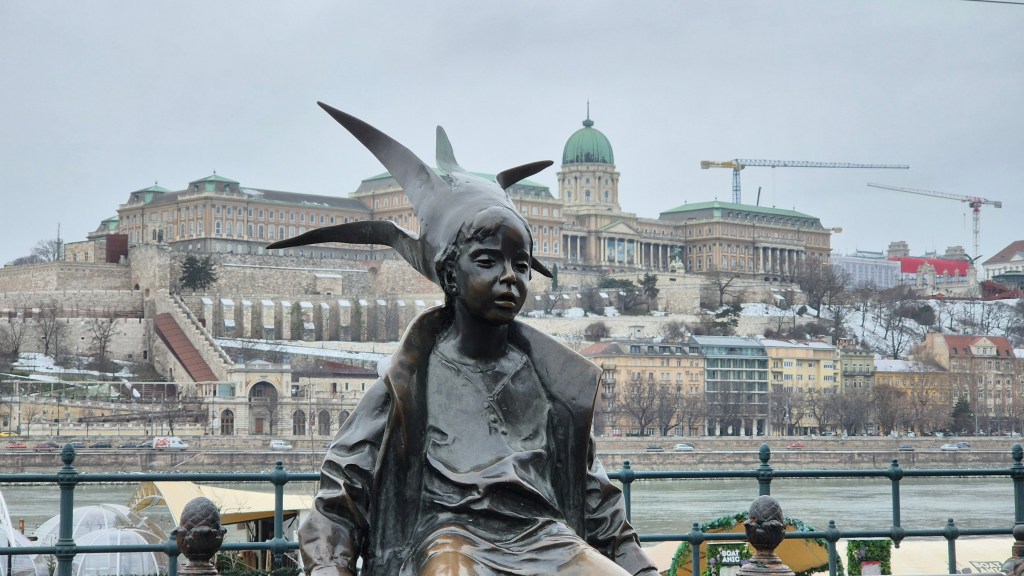
Heading to the riverbank, we learnt a bit about the city and its two halves, Buda and Pest, before stopping at the Little Princess statue which is a larger copy of an original created by László Marton. The statue is inspired by the artist’s eldest daughter who often played wearing a princess costume and a crown made of newspaper. Further along the riverbank is the Széchenyi Chain Bridge which became the first permanent bridge across the Danube in Hungary when it opened in 1849 and according to local legend, the lions that decorate the bridge have no tongues. Next to the bridge, at one end of Széchenyi István ter, is the Hungarian Academy of Science which sits in a grand renaissance revival building designed by architect Friedrich August Stüler. In 2025 the Academy celebrated its 200th birthday, having started its mission developing the Hungarian language and promoting science and the arts in the Hungarian language back in November 1825.
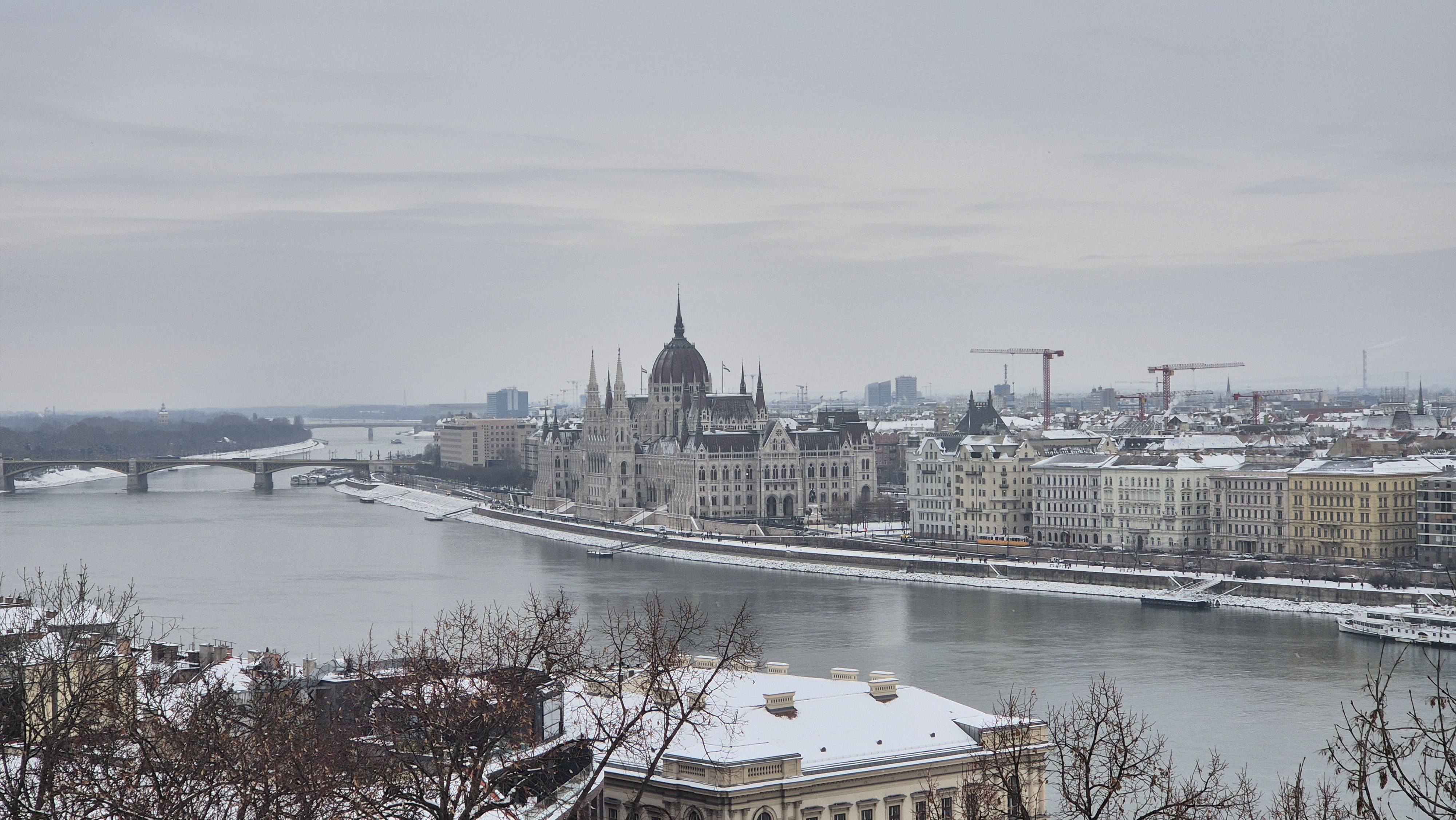
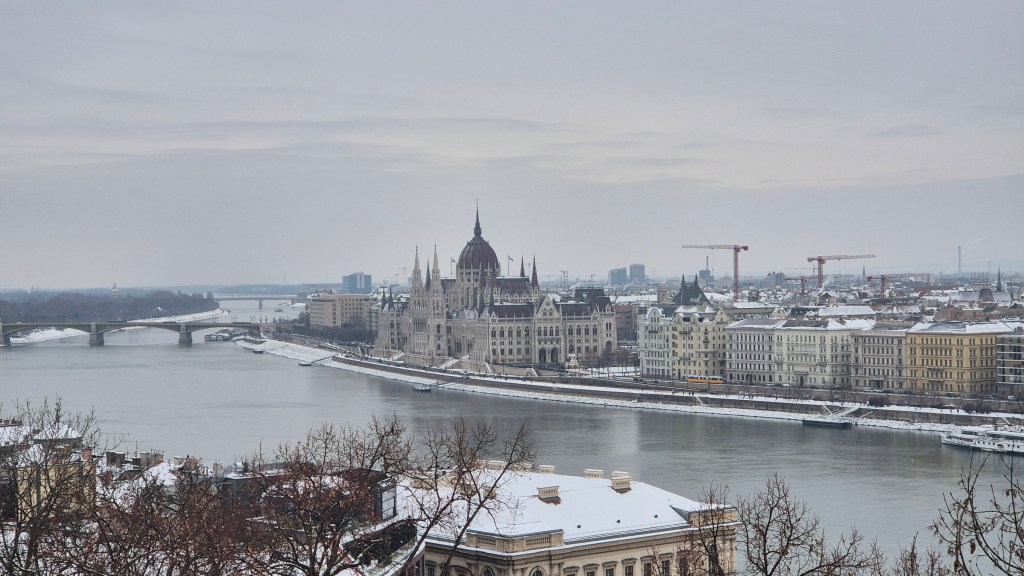
Back on the riverbank our penultimate stop was the Shoes on the Danube Bank memorial which commemorates the massacre of 23,500 people including 20,000 Jews by the fascist Arrow Cross Party during World War 2. Victims of the massacre were ordered to take off their shoes and then shot on the riverbank, with their bodies falling into the Danube below. The memorial contains 60 pairs of shoes along with three cast iron signs which, in English; Hebrew and Hungarian state “To the memory of the victims shot into the Danube by Arrow Cross militiamen in 1944–1945. Erected 16 April 2005”. After having a few minutes to pay our respects at the Shoes memorial, the tour continued to its final stop, the iconic Hungarian Parliament building. The largest building in Hungary, the Parliament building opened in 1902 following a competition for its design, which resulted in Hungarian architect Imre Steindl’s work being chosen. However, the competition was clearly a success as the 2nd and 3rd place designs were also built nearby as the Palace of Justice and Ministry of Agriculture respectively.
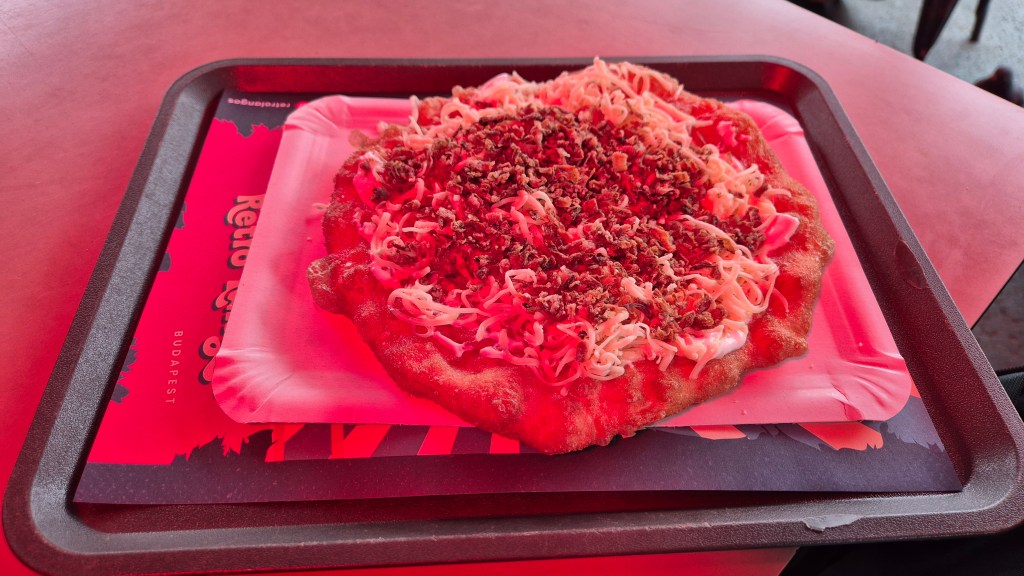
With the tour wrapping up next to the Hungarian Parliament, it was a 15-minute walk to my lunch stop at Retro Lángos, which is just across the road from Arany János utca metro station and Podmaniczky Square. This spot for lunch was one of the tour guide’s recommendations and, as the name suggests, Retro Lángos is known for serving the traditional Hungarian flatbreads called Lángos. I went for the cheese and sour cream option with fried onions which was nice, although the cheese was just on tap rather than melted. Retro Lángos seems to be a popular location, and I ended up sitting outside under one of the heat lamps which was quite pleasant despite the weather but be warned you can only make reservations at their other location on Vecsey Street, not at the Podmaniczky Square location that I visited.
As I finished my lunch snow began to fall across the Hungarian capital and with only around 45 minutes until I had planned to collect my bag from the station I decided to take the opportunity to warm up a bit and camped out to wait in a branch of a well-known coffee chain in Podmaniczky Square. After warming up and getting a bit of blog writing done, it was a quick trip on the metro back to Keleti station to collect my bag and then back via the metro to Budapest’s other main railway station, Nyugati, to head to my hotel. After checking in, with the snow still falling, I had a bit of a break in my room before heading back out to St. Stephen’s Basilica in time for a look around before the organ concert.
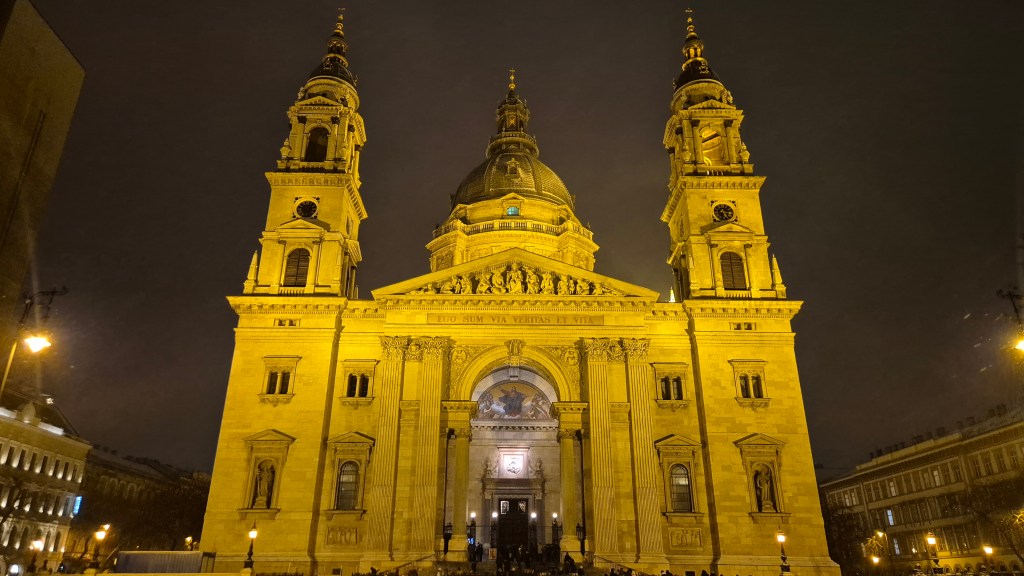
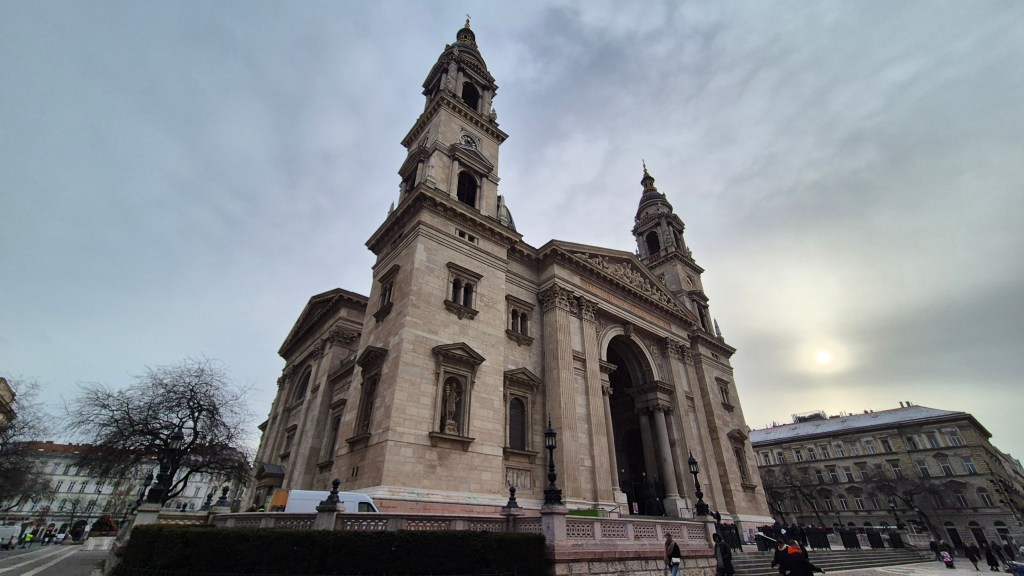
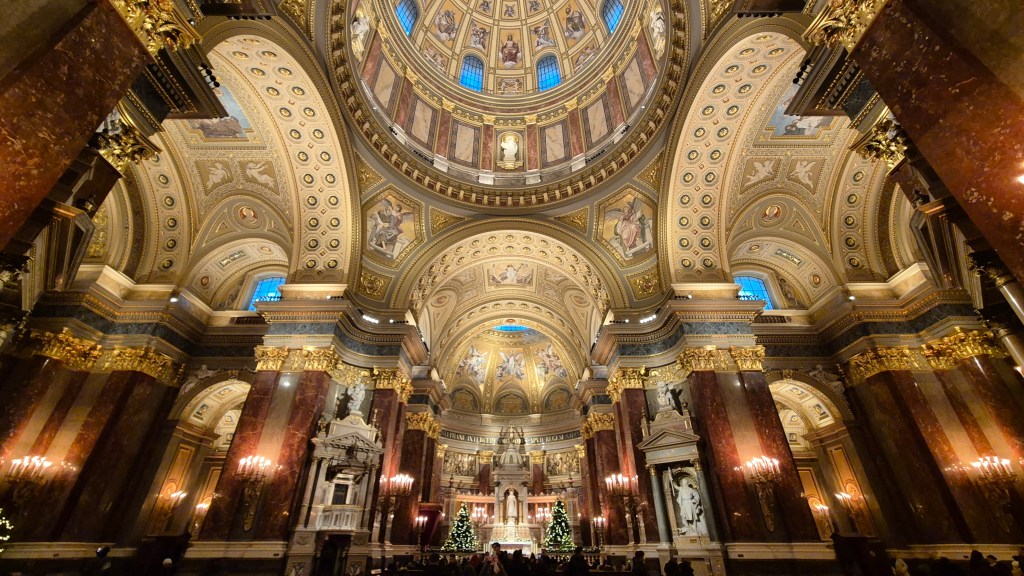
St. Stephen’s Basilica was only constructed in the late 19th century; with the high ground it sits on having provided safety to residents during the 1838 floods with the residents having later provided donations towards the construction of the church in thanks. It is named in honour of Saint Stephen I of Hungary, the first King of Hungary and was awarded the title of basilica minor by Pope Pius XI in 1931. Today the basilica is the largest church in Budapest and the third largest in Hungary and sits within the city’s UNESCO World Heritage Site Buffer Zone. The basilica itself is stunningly beautiful and is certainly one of the must do things within Budapest, however the free organ (and cello) concert every Monday evening at 1630 is worth fitting in if you can. The concert lasts around 40 minutes and included a mix of pieces by Bach, Ferenc Erkel and Mozart, finishing with Silent Night, Te Deum and Ave Maria.
Entry to St. Stephen’s cost me 2600 Forints (about £6) which included the concert but make sure you book via this link or via the QR codes on posters outside rather than going via the website. Unfortunately, the website takes you to GetYourGuide and tickets seem to be at least twice the price via this route. You can also get tickets that include access to the Treasury and to the dome which cost a bit extra, but the basic entry ticket is fine if you just want to see inside and enjoy the concert. Having had a look online whilst researching this post, it seems there are also concerts in the basilica on other nights that cost significantly more (some tickets I saw were €50 plus!) so be warned and always consider that you can enjoy both St. Stephen’s and some beautiful music for just £6!
After enjoying the concert at St. Stephen’s I made my way to a restaurant a couple of streets away for dinner, with Strudel House Elsö Pesti Rétrshaz being another recommendation of the tour guide as a ‘traditional restaurant’. The name of the restaurant translates to ‘The First Strudel House of Pest’ although despite this the current restaurant only opened in 2007 according to their website. I went for the Hungarian set menu which started with a poultry meat strudel ’Hortobágy’ style with paprika sauce and sour cream mousse, followed by a beef goulash soup ’Alföld’ style. Of course I sampled a local pilsner whilst eating and being in a strudel house, the only way to finish off the meal was with an apple strudel accompanied by cold cinnamon sauce and whipped cream. All in all this three course meal with a beer cost just short of 15,000 Forints (around £35) which I thought was quite reasonable for an excellent meal in the heart of Budapest’s tourist district.
After heading back to the hotel for an early night and good night’s sleep, the sun rose on my second day in the Hungarian capital and I headed out looking for a decent breakfast to start the day. A short tram ride from Nyugati station is a café I had starred on Google Maps since my last visit to Budapest but didn’t make it to and so unfortunately, I have no idea where I got the recommendation from. Horizont markets itself as a breakfast and brunch restaurant and I’ve got to say from my experience, they’ve got this down to a tee. I went for the scrambled eggs with smoked salmon which were delicious along with two lattes, which were made with great coffee from what I could tell. Horizont seemed to be quite a contemporary restaurant with handleless mugs and pink aioli, but it had a nice laid-back atmosphere, and it was nice to enjoy a relaxed breakfast whilst watching people queue for ages at the neighbouring ew York Café (“the most beautiful café in the world”).
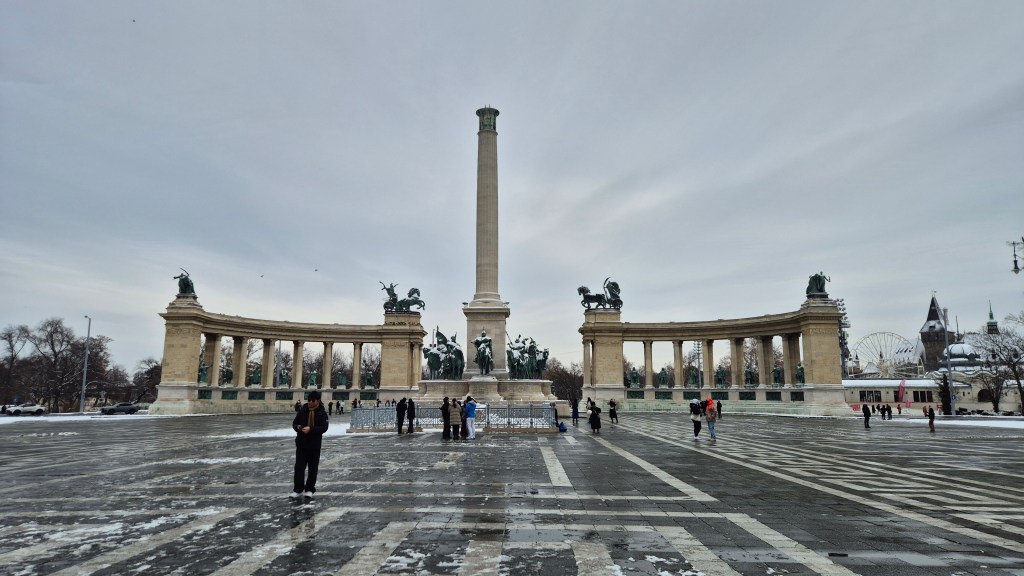
After breakfast I headed back down to the metro and took a ride out to Heroes’ Square. This square with its central Millennium Memorial was constructed in the late 19th century as part of a major project which included the expansion of Andrássy Avenue and the construction of Budapest’s first metro line. The memorial got its name in honour of the thousandth anniversary of the Hungarian conquest of the Carpathian Basin and the foundation of the Hungarian state in 896. To the north-east of Heroes’ Square is Budapest City Park which I enjoyed a nice walk through in the snow, with only one occasion of me losing to gravity and hitting the ground.
The large boating lake is home to the City Park Ice Rink, a semi-permanent ice rink that is the world’s largest continuous artificial ice rink, having been in operation since 1870. During the summer months the ice rink gets flooded to form a pond, but during my visit the 12,000 square metre skating area was open and also featured a fun fair! The Vajdahunyad Castle provided an excellent back drop for photos of the snowy landscape, with this castle now hosting the Hungarian Agricultural Museum, whilst the former castle chapel, the Chapel of Ják is open to the public for free to look around. My walk continues out of the castle complex and across the road to the Széchenyi Thermal Baths which I did a lap of before heading back to the metro and Deák Fernec ter.

A 10-minute walk from Deák Fernec ter passing the Dohány Street Synagogue enroute is Karavan Food Fair. This complex of street food vendors has a central seating area and around a dozen different cuisines on offer ranging from traditional Hungarian dishes to burgers and Mexican style food. I went for the Chicken Paprikás with Nudli from Pulika which cost around £11 turned out to be breaded chicken with croquette shaped gnocchi in a paprika sauce. Either way it was very tasty! After lunch I took a bus and a tram to make my first venture this trip into the Buda side of the city as I headed to the Castle Hill Funicular. Whilst this is very much a tourist trap (there’s escalators/lifts that will take you up for free hidden away), it’s a funicular so I was happy to spend the money. A return ticket costs 5000HUF (no single tickets available) if you buy in person, however if you buy online, it costs an extra 170HUF.
It only takes around a minute to reach the top of Castle Hill and enter the castle complex which seemed to be undergoing large scale construction work with lots of facades covered in scaffolding. On the terrace overlooking the city there was a small number of food stalls so I bought a chimney cake to enjoy on the way down the hill. Setting off down through the gardens just as it started snowing, enjoying a steaming hot chimney cake with views of the Danube and the city, this was a very enjoyable way to end my second visit to Budapest. After reaching the bottom of Castle Hill, it was a short walk across the Danube and then a ride on the tram to the parliament where I grabbed a final coffee from a nearby coffee shop before heading back to the hotel to get my bag and head for Keleti.
I certainly enjoyed my second visit to Budapest more than my first and the snow helped make the city even more beautiful than it already is. Whilst I did enjoy exploring the city and finding out more about it, I am still of the opinion that it’s a bit overrated as a destination, with lots of places dubbing it as one of the top city-break destinations in Europe and personally I believe there are other cities that you should visit first. However, all that said, Budapest is a beautiful and interesting city, and there is plenty to see and do for everyone if you do visit.


2 thoughts on “Back to Budapest – The Heart of Europe”