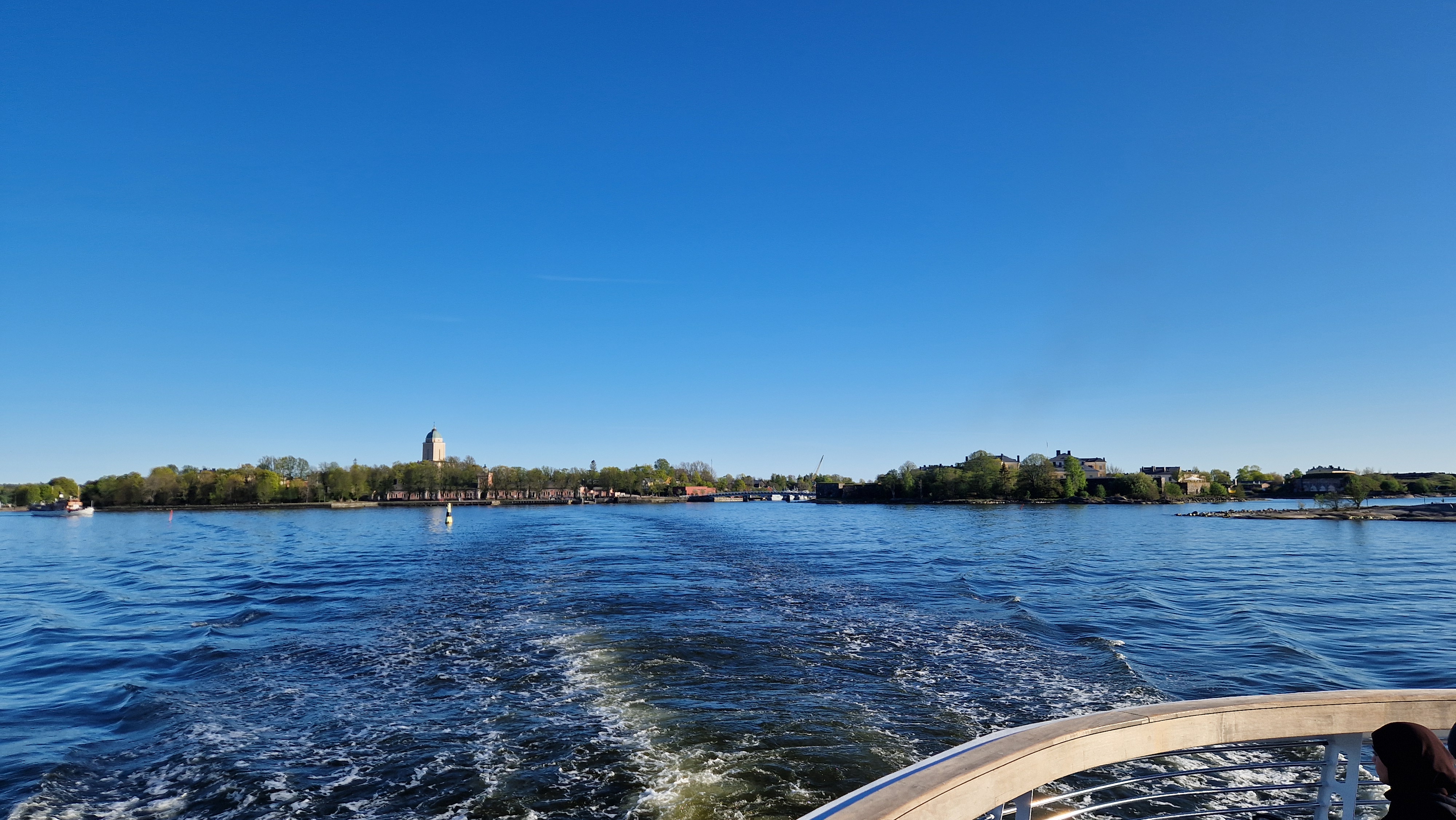

Located on the shore of the Gulf of Finland and part of Finland’s only metropolitan area, Helsinki is the capital of Finland and the most northerly capital city of the European Union. Both city and country have an interesting history, having previously been part of both the Swedish and Russian empires, and this history has made an impact on the architecture, culture and spirit of Helsinki. Helsinki was my base for my two-night stay in Finland and whilst I took a trip north to explore Tampere, I had plenty of time to explore the Finnish capital and fall in love with it. You can read the four previous posts from my Finland trip here, here, here and here.
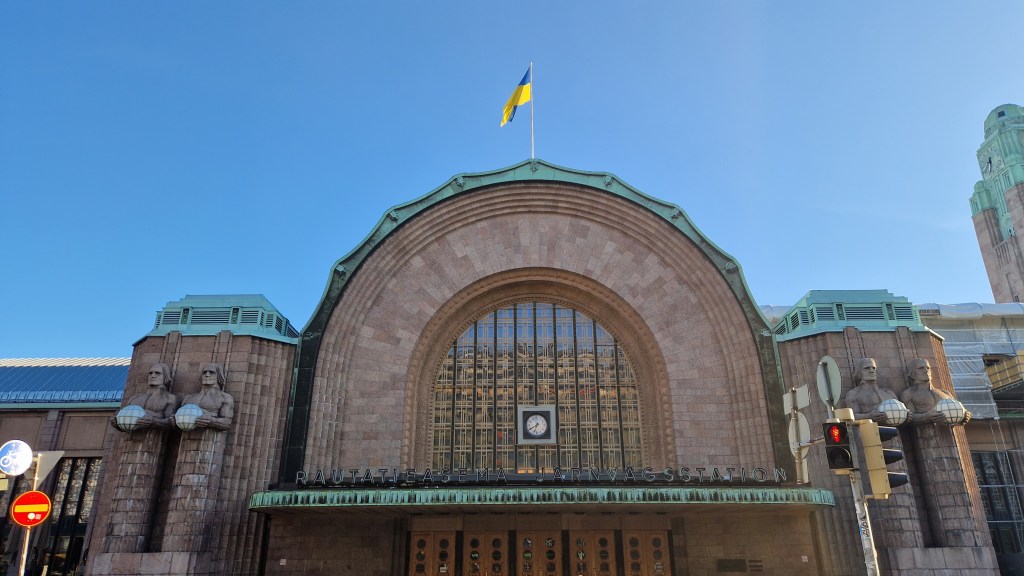
Helsinki Airport is well connected to the city centre, located at the end of a loop on the suburban rail network, with trains in both directions heading to Helsinki Centra Station. Not knowing what my plan for the evening was, I bought a ‘Zone ABC’ 24-hour ticket for €11 which covers the suburban rail lines, metro, trams and ferries. Whichever direction you head on the train to get to Helsinki Central Station its about a 30-minute journey and after arriving into the city proper, it was just five minutes from train to tram. My hotel was four stops from Central Station and it actually ended up taking me longer to find the entrance than the tram journey itself.
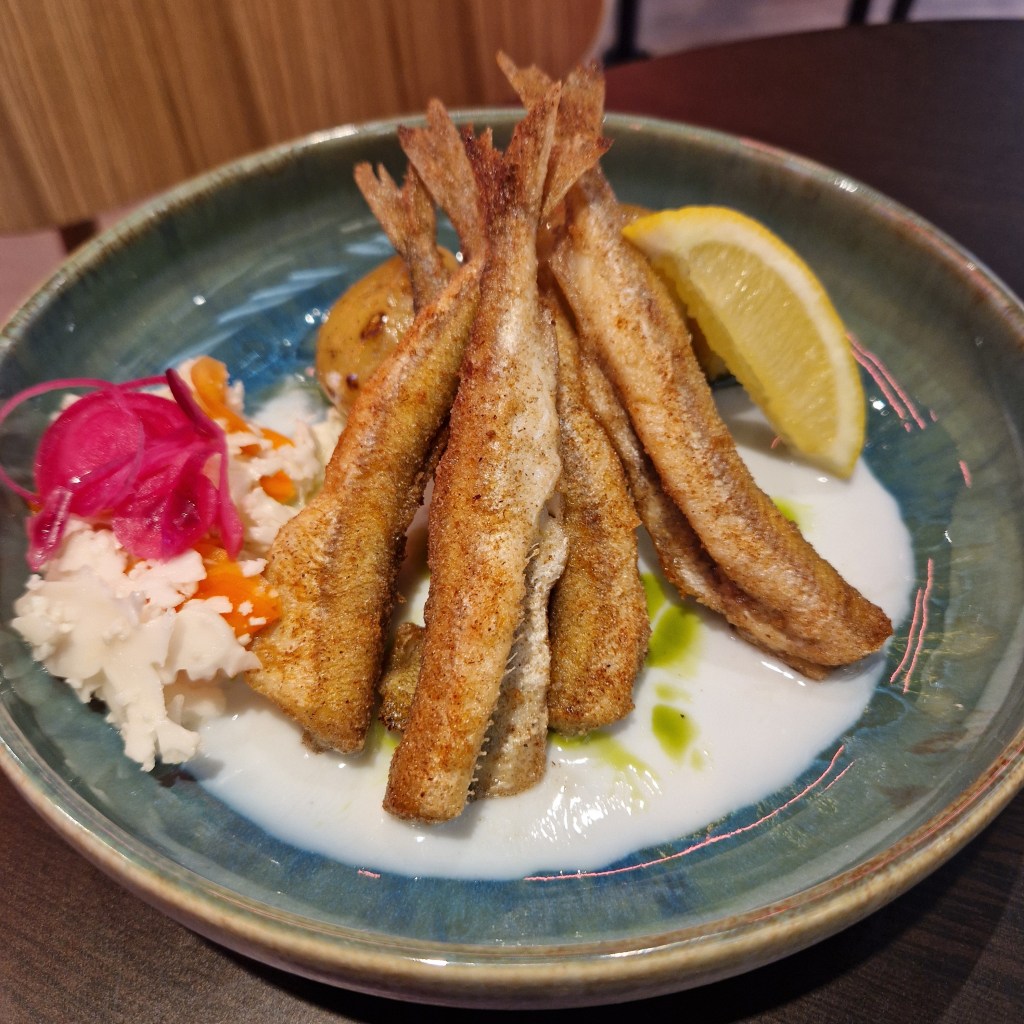
Dinner on night 1 was in UG Urban Gourmet, a place I can best describe as an underground box park which hosts a collection of different food vendors. Trying to have something which I deemed ‘Finnish’, I opted for Herring and Potatoes from Roskakala which specialises in fish dishes. Accompanied by a local beer from the central bar area, the meal was delicious, and you could tell the fish was fresh from the sea that day! Other options at UG were Nepalese, Thai, Mexican or Middle Eastern cuisine and there was also a bakery that was open during the day.
Day 2 in Helsinki started with a short ride on the metro for a couple of stops back to Central Station and my adventure to Tampere. When I arrived back in the capital, my first stop was the food hall at Stockman’s department store, somewhere recommended by a friend for its size and the sheer amount of choice. Having had a look around but sensibly not splashing out to purchase anything, I headed back outside to catch a tram to the harbour front and Helsinki’s harbourside market. Having spent the morning and early afternoon in Tampere, the evening was starting to arrive and by the time I got to the harbour at 1630 the market was starting to close down for the day and so I added it to the top of my list of things to see the following morning.
One thing that was not closing down for the evening was the Suomenlinna Sea Fortress and the ferry connecting it to the mainland which runs until around midnight. With another five or so hours until sunset, I boarded the next ferry across the harbour which as well as transporting tourists, is a lifeline for the residents of the Sea Fortress’ islands. Aswell as space for pedestrians, the ferries have space for two vehicles onboard, allowing residents and deliveries to access the Sea Fortress.
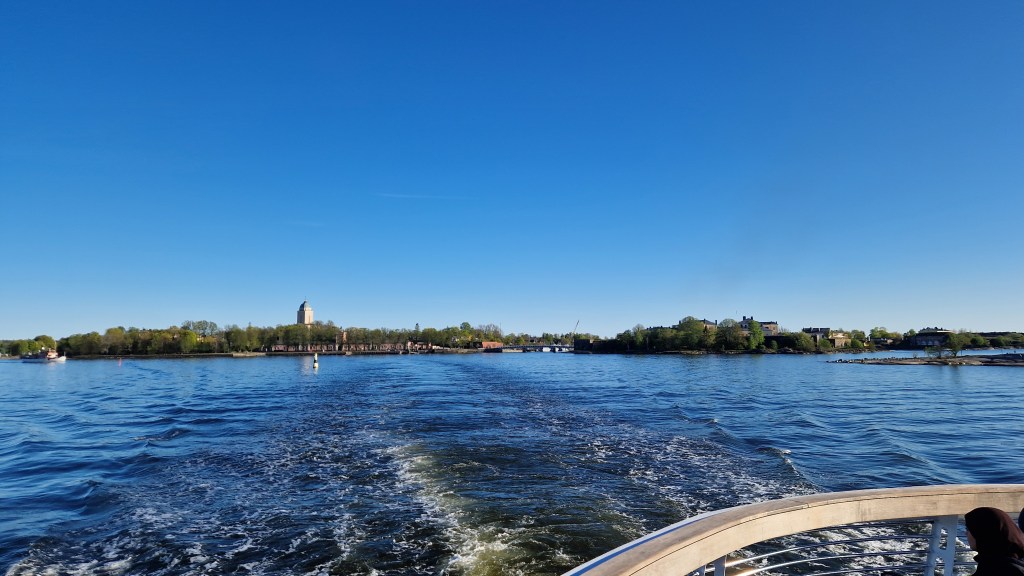
Its huge! That was my first impression of the Suomenlinna Sea Fortress. Spanning eight islands, with six having been fortified, construction of Suomenlinna began in 1748 during the period where Finland was part of the Swedish empire. The fortress was surrendered by Sweden to the Russian Empire in 1808 during the Finnish War, which ultimately led to the Russian occupation of Finland in 1809 and the establishment of the Grand Duchy of Finland. Following Finland declaring independence in 1917, Russian forces left Suomenlinna with the fortress remaining in use by the Finnish armed forces until 1973 when it was handed over to civilian control.
1991 saw Suomenlinna be designated a UNESCO World Heritage Site and its easy to see why it was deemed worthy of this designation. As well as multiple preserved fortifications, Suomenlinna is also home to various museums including the various parts of the Military Museum. The main part of the museum is the Manege, located in a former Russian arsenal from the late 19th century, however there is also the Artillery Manege located in a separate building. The final part of the Military Museum is Submarine Vesikko, a Finnish submarine built in 1933 which saw active service until The Peace Treaty of 1947 forbade Finland from owing and operating submarines. The submarine survived for training use and having been transferred to Suomenlinna in the early 1960s opened as a museum in 1973. Entry to the Submarine Vesikko is €7 and also includes entry to the Military Museum’s Manege and Artillery Manege.
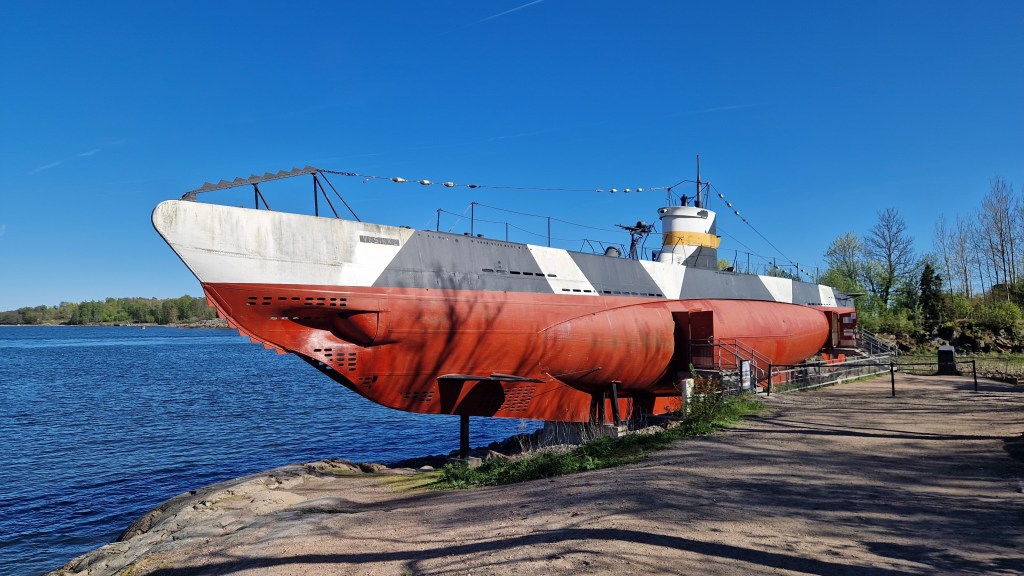
With entry to Suomenlinna Sea Fortress being free (except for the cost of a ferry ticket), plenty of people come across and spend most of the day exploring the islands, museums and fortifications. Some even bring picnics to enjoy whilst looking out over the Gulf of Finland and some of the coves and inlets can feel quite remote. I wasn’t quite prepared enough to bring a picnic and, given I was on a little holiday, decided to treat myself to dinner at Adlerfelt, a bistro restaurant located on Suomenlinna.
With prices in the Nordic countries generally being a bit higher than elsewhere in Europe, combined with the amazing location, I was expecting Adlerfelt to be pricey. However €58 for their three course fixed price menu wasn’t as bad as I expected, although the €11 for a local beer stung a bit. My starter was a fish dish (trout I believe), with the main being Entrecote accompanied by broccoli and a jus. Both starter and main were cooked perfectly and were ‘melt in the mouth’ dishes! Desert was ice cream with chocolate and nuts, which was a nice, fairly light way to end the meal.
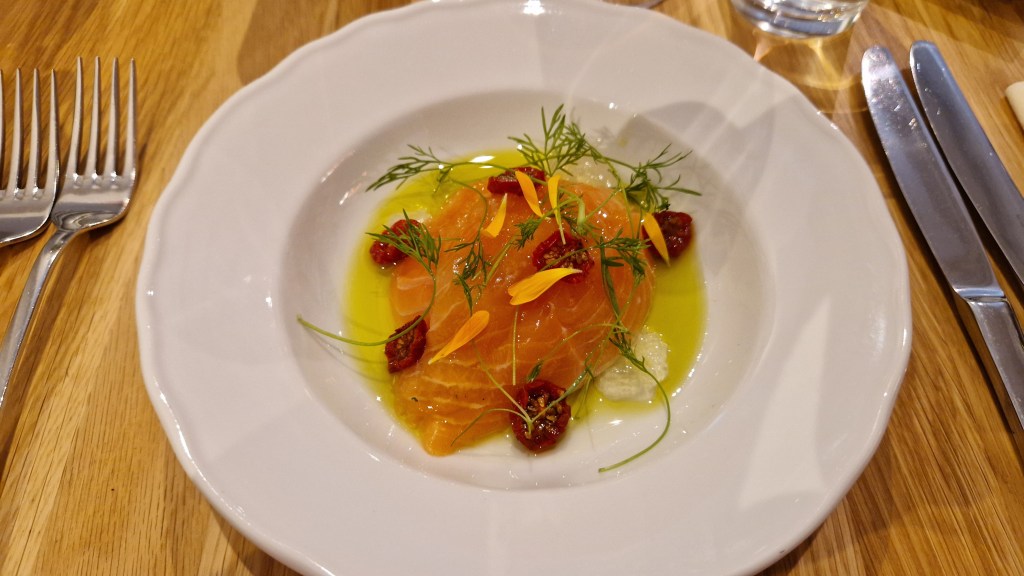
Whilst Adlerfelt isn’t the cheapest, it is definitely worth it as a one off treat and it was a great way to conclude the day. After the meal, I continued my wander around Suomenlinna for another 40 minutes or so before catching the ferry back to the mainland. A short walk from the harbour to the main square allowed me to catch a direct tram back to near my hotel and day 2 in Finland came to a close.
Day 3 in Finland started the same as day 2 with a short ride on the metro to Central Station, this time to store my bags so I could enjoy the morning unincumbered. It cost €5.90 for 6 hours storage in a large locker, and its all self service with multi-lingual screens so really easy to use. From Central Station I jumped back onto the trams, this time to Senate Square, where I grabbed some breakfast in a nearby café before I ticked the obligatory walking tour from the to-do list.
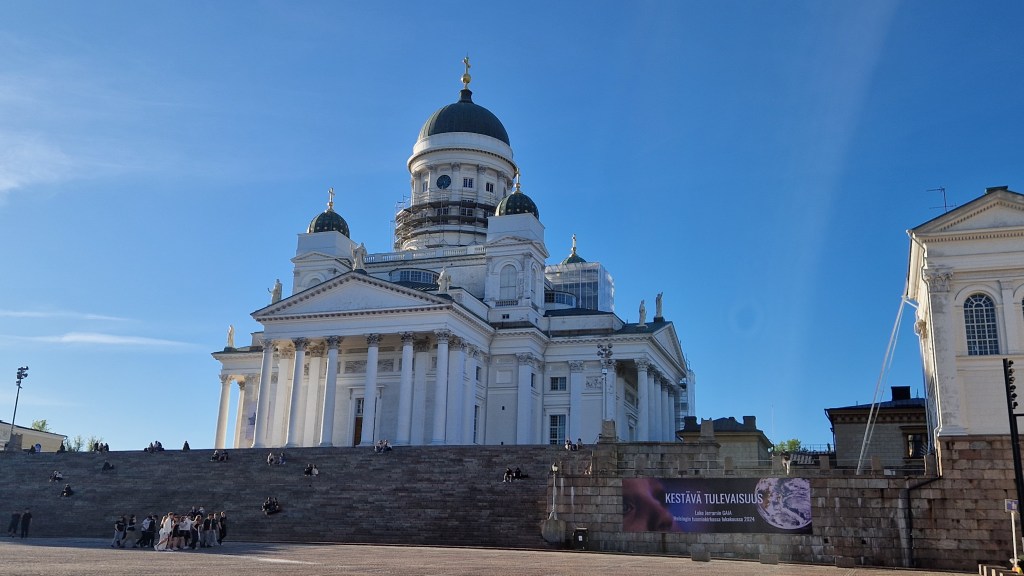
Whilst I’d found this walking tour via my usual method of FreeTours, I’d booked directly via the organiser Red Umbrella Tours as it means they and the guide don’t have to pay a ‘finders fee’ to FreeTours. The guide for the tour was Bianca, a 1st year university student from Romania who started the tour telling us some interesting facts about both Helsinki and Finland as a whole. Ironically for a tour that started outside Helsinki Cathedral, one of the first facts we were told was that 1/3rd of Finns class themselves as ‘non-religious’ partly as you have to pay taxes to the relevant religion if you are religious. Quite possibly entirely unrelated is that Finland has been determined to be the happiest country in the world seven years in a row.
Along with Helsinki Cathedral, which is free to enter but is very simple and understated inside, the Senate Square is also home to a few other notable buildings. One of these, a blue building in the south-west corner of the square is the oldest building in Helsinki and dates from the era of Swedish rule. Another building on the square is the National Library of Finland, which whilst a ‘nice old building’ on the outside is absolutely stunning on the inside. An American tourist on the tour summed it up well as she walked in by loudly stating “Oh my god its beautiful!”.

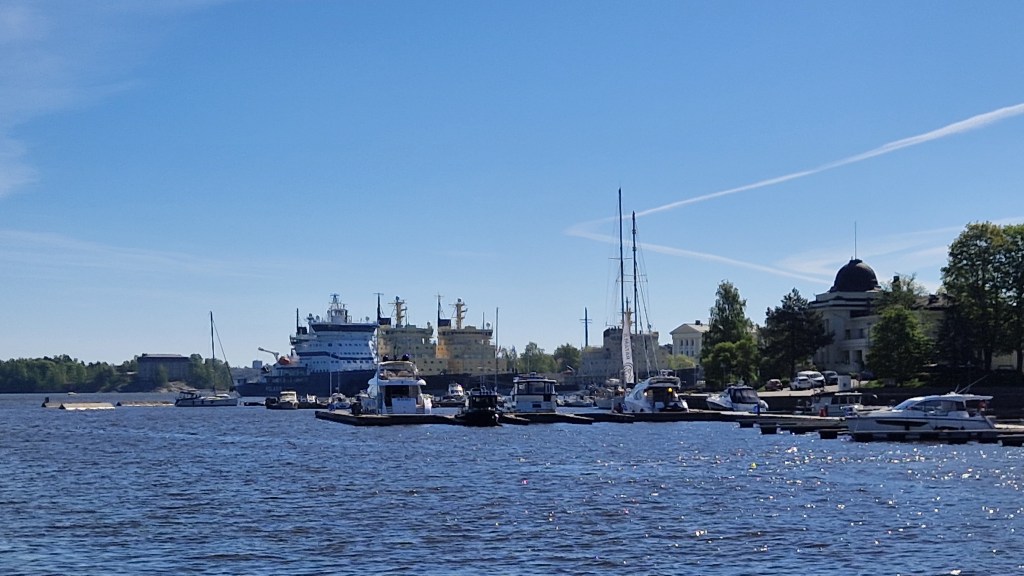
From Senate Square we headed to one of Helsinki’s more modern commercial harbours which is home to the nation’s Icebreaker fleet and a former lighthouse ship. Finland’s Icebreakers are more than ships to many, providing a lifeline to the country’s seafarers during the long winter months and ensuring the Port of Helsinki is able to remain connected to the rest of the world. So important are the Icebreakers to some that they name their children after the ships, including one of our guide’s classmates at university.
Between the commercial harbour that is home to the Icebreakers and the old South Harbour from where the Suomenlinna ferry leaves is the Katajanokka neighbourhood, originally a peninsula but now separated from the mainland by a canal dug in the 19th century. The island is home to one of Finland’s ugliest buildings, the ‘Sugar Cube’ headquarters which despite many years of political and legal wrangling was granted protected status in 2010. One of the main issues raised by many in regards to the Sugar Cube is its prominent location next to the South Harbour and Market Square and the architectural clash with the neighbouring Presidential Palace and Uspenski Cathedral.
Uspenski Cathedral is Helsinki’s Orthodox cathedral and was built during era where Finland was part of the Russian Empire. Constructed to be slightly taller than the nearby Helsinki Cathedral, Uspenski lost its claim as the taller of the two following Finland’s independence as a few centimetres of stonework was added to the top of Helsinki Cathedral’s dome. The inside of Uspenski Cathedral is once again free to access, although supposedly the opening hours are a little sporadic, and is well worth a look around to compare the vast contrast between its colourful decorated interior and the simpleness of Helsinki Cathedral.
From Uspenski Cathedral the tour continued on to the South Harbour, taking a short diversion through some of the residential streets of the Katajanokka neighbourhood to see the home of Tove Jansson, creator of one of Finland’s greatest export, the Moomins. This series of books is popular with children the world over and has led to numerous TV series and even two theme parks! The eastern quay of the South Harbour is home to various saunas and pools, with us learning about the importance of saunas in Finnish culture, so much so that Helsinki’s Skywheel has a sauna pod.
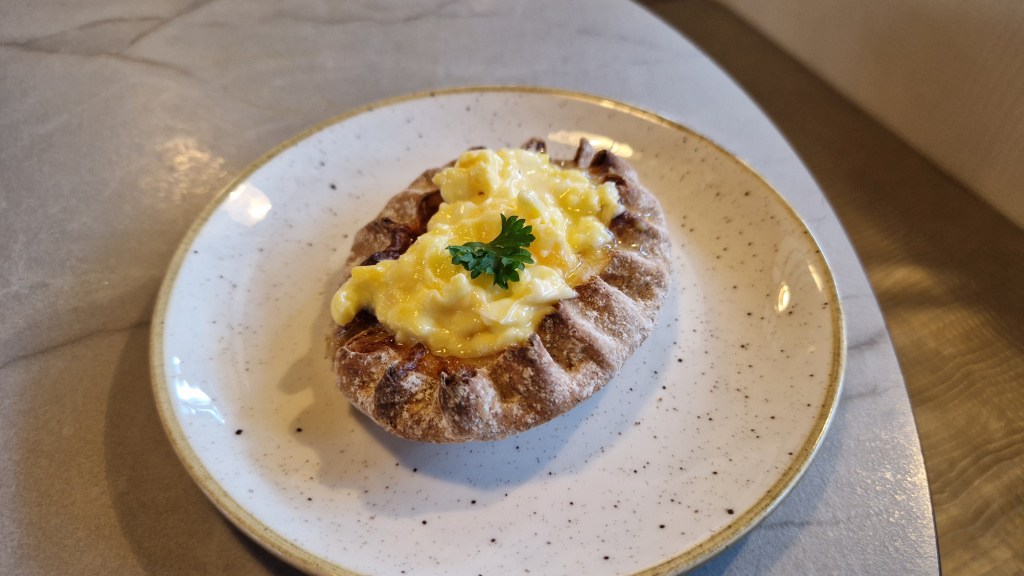
From Moomins and Saunas it was time to learn a bit about Finland’s cuisine, with the Old Market Hall being pointed out by Bianca as a great place to try some local dishes, with four in particular recommended for us to try at some point following the tour. These were Ruisleipä (a rye bread), Korvapuustit (cinnamon roll), Karjalanpiirakat (rice pie) and Lohikeitto (salmon soup) and I made sure following the tour to come back and try a couple of dishes. Another Finnish delicacy is salted liquorice, something that I can best describe as the ‘Marmite of Finland’ as you’ll either love it or you’ll hate it. Just like Marmite, I hated it and it unfortunately has a taste that lingers, so make sure you have a drink or something to have after you try it.
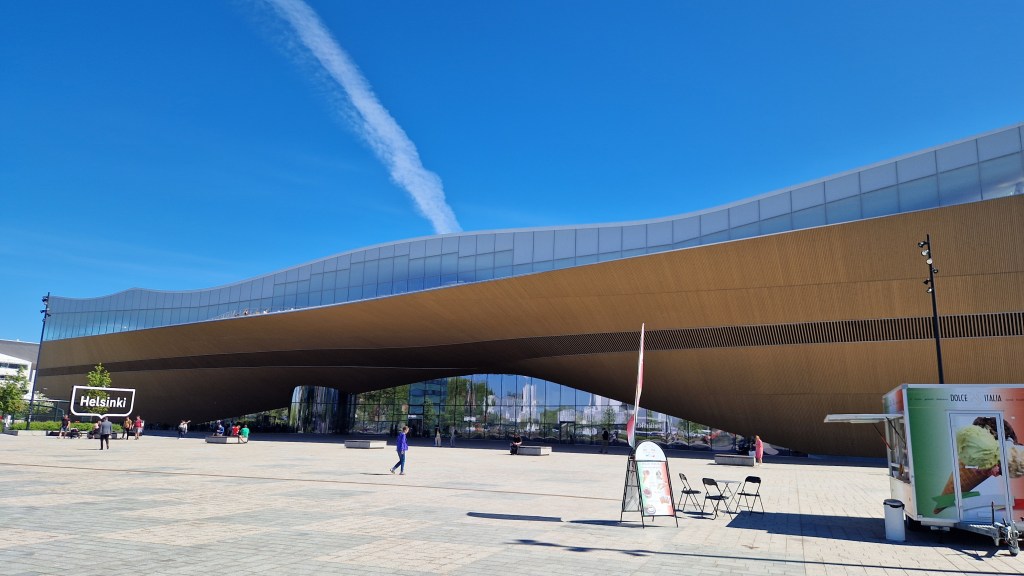
The final stops on the walking tour were over near Central Station and were the Sanoja Media Building and the Helsinki Central Library. The Sanoja Media Building is really interesting with glass walled studios and speakers so that passers by can see and here what is being reported, a concept introduced to show the ‘transparency’ of the media. The Central Library was built in 2017 to celebrate 100 years of Finnish Independence and is certainly an interesting building, looking very different to the Parliament Building opposite.
With an intention to spend a bit of the afternoon spotting at the airport (which didn’t end up happening owing to the poor spotting location at the airport), I didn’t have too long after the tour finished before I wanted to catch at train back to the airport. However, I did have time to head back to the Old Market Hall to try a couple of the dishes and ended up having the rice pie and salmon soup at Scandinavia Café within the Old Market Hall. Both of these were pretty nice, and I would have them both again, although the rice pie did have an odd texture which took a bit of getting used to. The salmon soup was especially delicious and was a great dish to finish off my Finnish adventure.
As I crammed onto the single four-car unit train back to the airport, I reflected on my time in Finland and Helsinki especially and came to the conclusion that I had fallen in love with the city. Its easy to see why Finland is the happiest country in the world and I felt so relaxed throughout my time in Helsinki, something you rarely truly get in other capital cities. The highlight of the trip was definitely the Suomenlinna Sea Fortress and my only regret was that I didn’t have more time to spend on the islands exploring. As with most places, Helsinki has cemented itself onto the re-visit list, however it has queue jumped its way to very near the top!


We recently visited for Helsinki on a cruise and also went to Suomenlinna on the ferry. It is an amazing place and you could easily spend all day there exploring the fortifications and various museums. I look forward to going back, and maybe taking in some of the sights that you have mentioned. On our visit the Cathedral was swathed in scaffolding, with the covering printed to be the same as the building underneath, which was rather strange to see!
LikeLike