
Having caught the TER into Bordeaux Saint-Jean (read about that here), we headed outside the station to catch one of the city’s trams. With four lines spanning the city, Bordeaux’s tram network is a great way to get around and a TBM day ticket can be purchased for €5. These tickets cover unlimited use of the trams, as well as the city’s buses and water buses and so really are a bargain.
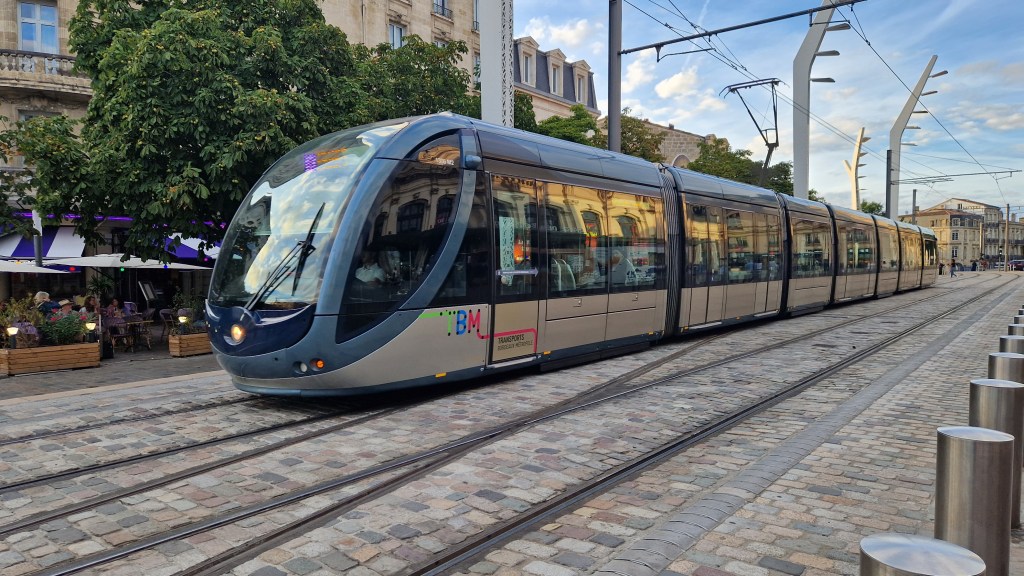
Whilst the tram network is great and fairly easy to use, we were caught out by our lack of understanding of the French announcements as our ‘Line A’ tram turned into a ‘Line D’ tram, rerouting us and allowing us to undertake an impromptu tour of Bordeaux by tram.
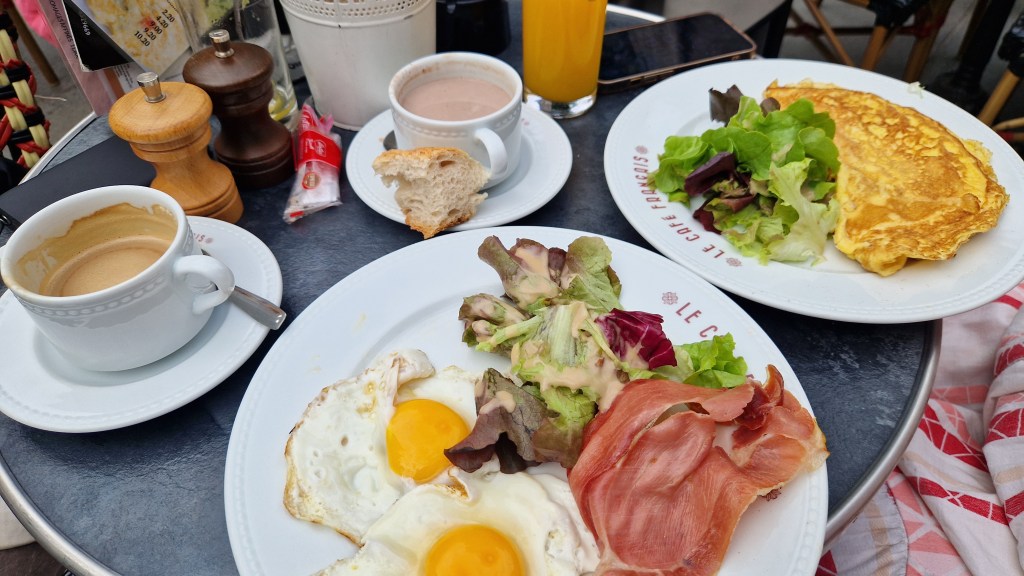
Eventually reaching the Hôtel de Ville tram stop slightly later than planned, we found a café on the square and enjoyed an excellent breakfast overlooking the Cathédrale Saint-André. Unfortunately I didn’t write down the name of the café we chose but as well as the standard continental breakfast, it also did an option including bacon and fried eggs or an omelette which we went for.
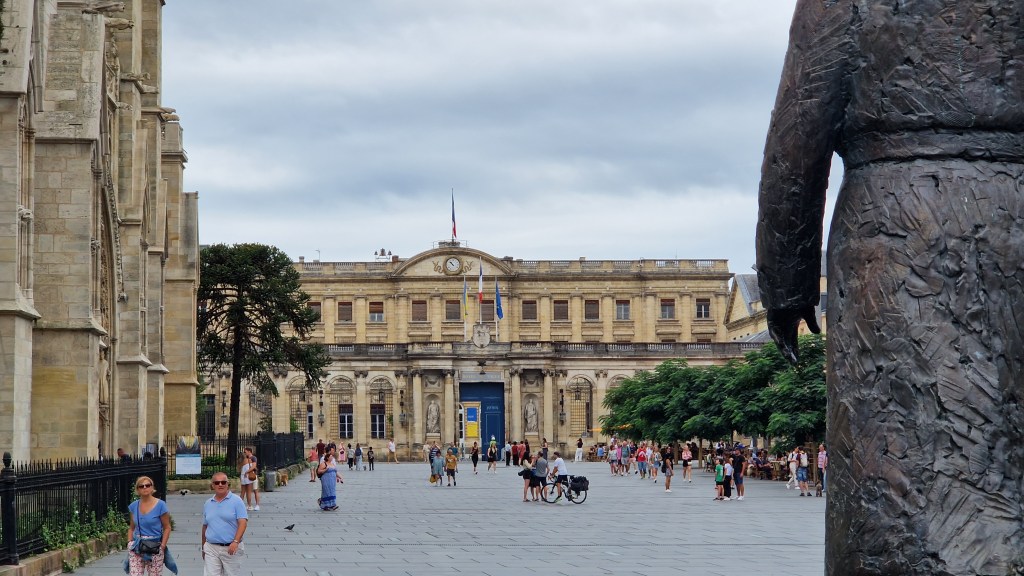
Following breakfast we did what I try to do in all new cities, join a walking tour! Our guide for the tour was Mark from Ireland who had actually started the tour company a few years previous. Initially staying in the Cathedral square, we learnt a few facts about the city (including that 44% of it is a UNESCO World Heritage site) before continuing on the Place Saint Projet, former home to Bordeaux’s guillotine.
Whilst Bordeaux has existed for centuries, its city centre is relatively modern having been rebuilt at the start of the 18th century. As such there’s very few buildings left from before this period with just six medieval houses remaining in the city along with a small area of Roman ruins. Whilst the tour was a major part of our day and I thoroughly enjoyed it, I’m always hesitant to write too much and detract from actually taking part in the tour. You can check out the website here.
One of the other benefits of taking part in a walking tour is getting the recommendations of your guide on the best places in the city to visit, explore or eat. Mark provided us with a QR code to access a page of recommendations, including around 30 places to eat, one of which was Michels, just a couple of streets away from the main Rue Sainte-Catherine shopping area.
We both decided to try the local delicacy of duck, with Beth opting for the duck breast whilst I opted to try the duck burger. Both came with fries, and everything was absolutely delicious, and I was even able to follow mine with a coffee and selection of mini desserts (it was my birthday after all!).

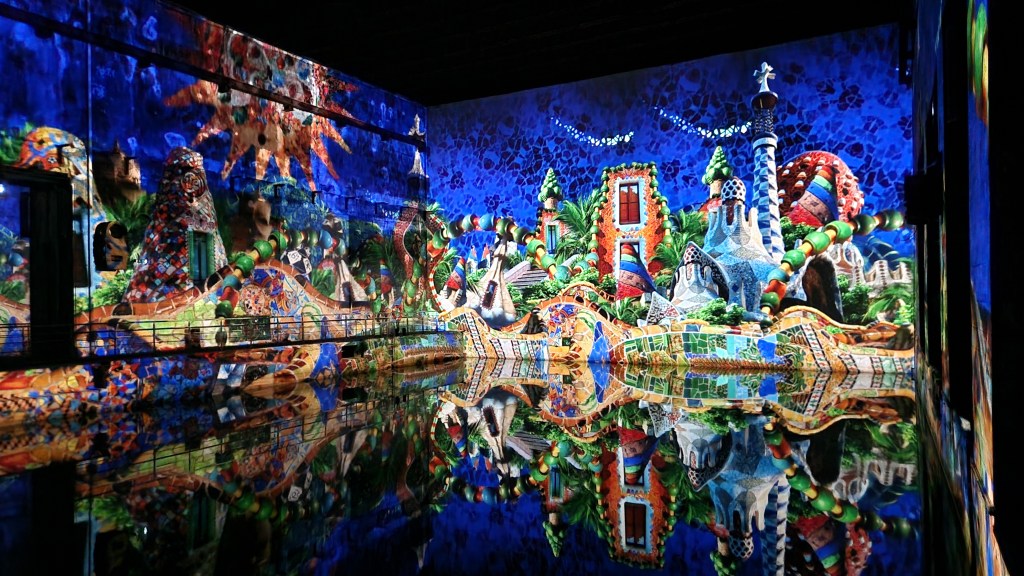
After an excellent lunch and a short potter around the shopping district, we headed up to the tourist information to take a bus ride out of the city centre to see a slightly more unusual attraction. Les Bassins des Lumières is situated within the old U-boat pens and is “the largest digital arts centre in the world” and described as a “monumental immersive digital exhibitions, dedicated to major artists in the history of art and to contemporary art”.
Les Bassins des Lumières really are a unique experience. Wandering around with the darkened U-boat pens illuminated by giant projected images of famous artwork, with music filling the space is a weird but certainly worthwhile experience. Entry costs €15 or €19 with the return bus ride included and, if you do get the bus, there is also a short commentary about the city’s history and current day surroundings.
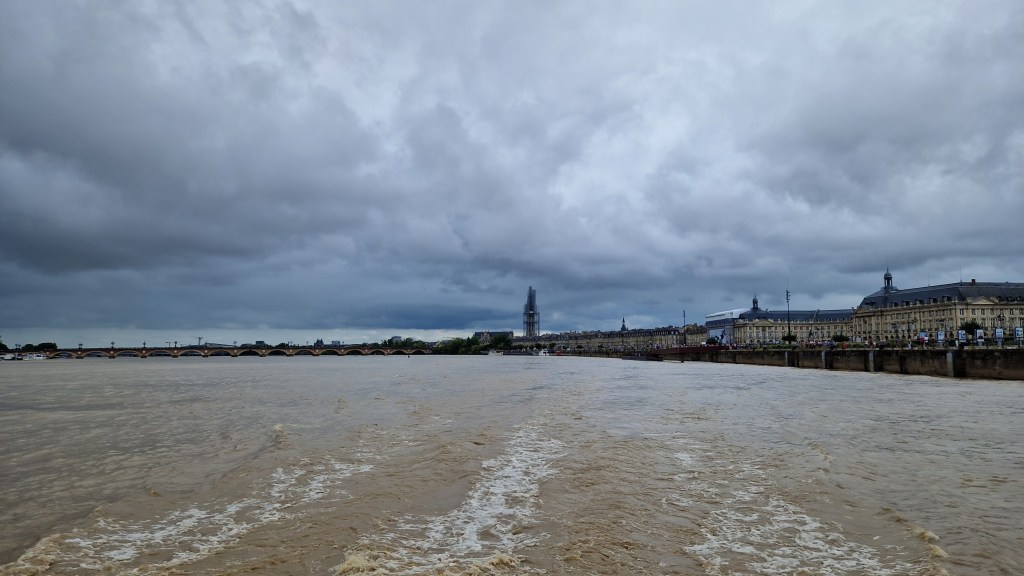
We caught the penultimate bus back into the city centre, and having done both walking and bus tours of the city, we decided to take another tour of the city this time by boat! As well as the trams and buses, the ‘TBM’ network also includes water buses, which run at irregular intervals between Quinconces and Lormont Bas. From the river you get a great view of the city and quaysides along with access to some of the city’s top attractions such as La Cité du Vin.
Whilst travel on the Bat3 water buses is included in TBM day tickets and there are probably no rules against doing a full round trip, you do have to alight at one end and rejoin at the back of the queue and so on busy days you may end up getting stranded at Lormont Bas. Thankfully we were lucky and despite there being quite a queue at Quinconces the two of us were able to jump the groups and board, whilst at the Lormont Bas end there was just a handful of people waiting to board.
With a dinner reservation for 1900, we had a little time to wander the city and so decided to try out another Bordeaux speciality, cannelé. These small pastries are believed to have originated in either the 15th or 18th centuries and originally made with just flour and egg yolks, although over time have developed their now signature addition of rum and vanilla. With a large cannelé costing less than €1, these are definitely worth trying and a box of eight found their way into our bag for later!
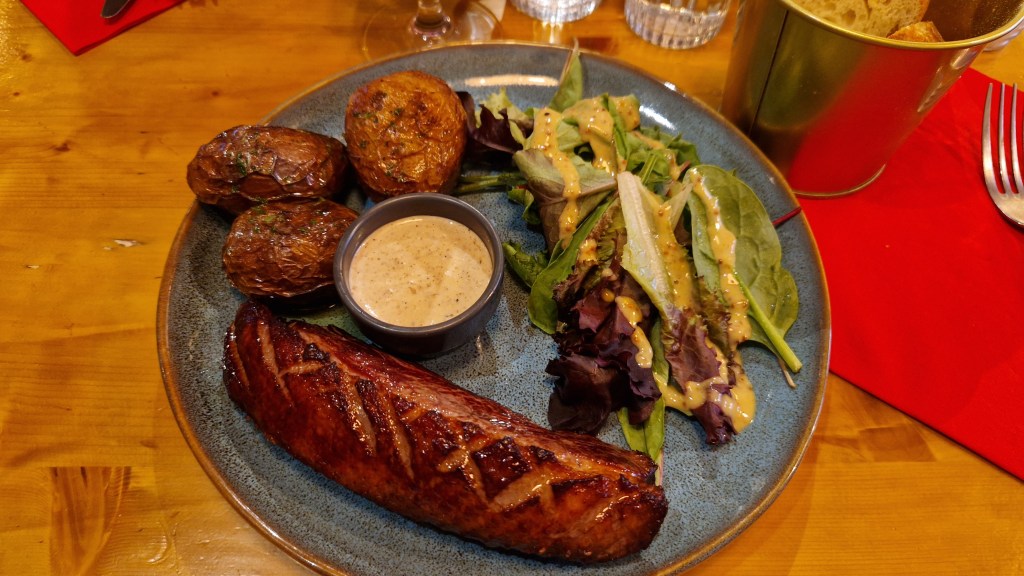
Our final destination in Bordeaux was another restaurant from the recommendations list, Les Drôles. This tiny restaurant has just a handful of tables and serves a set menu in two sittings, with a three course meal costing €23. As expected for French cuisine, the meal was absolutely excellent, made even better by the atmosphere of the tiny restaurant and great service. I’d certainly recommend a visit to restaurant and if you do, make sure to try the duck!
As we settled in for our train journey back to Biagnos, we had time to reflect on the day in Bordeaux and the city itself. Bordeaux is well worth a visit with plenty to see and do, including some more unique attractions like Les Bassins des Lumières and La Cité du Vin. Its also really easy to get around on the trams which provide access to most of the city, with buses or a short walk connecting the rest.
 Flights & Times
Excellent report. Made me hungry just reading it. Having visited Bordeaux briefly a couple of times, your report makes me want to revisit it again, if only for the food! 😀
LikeLike