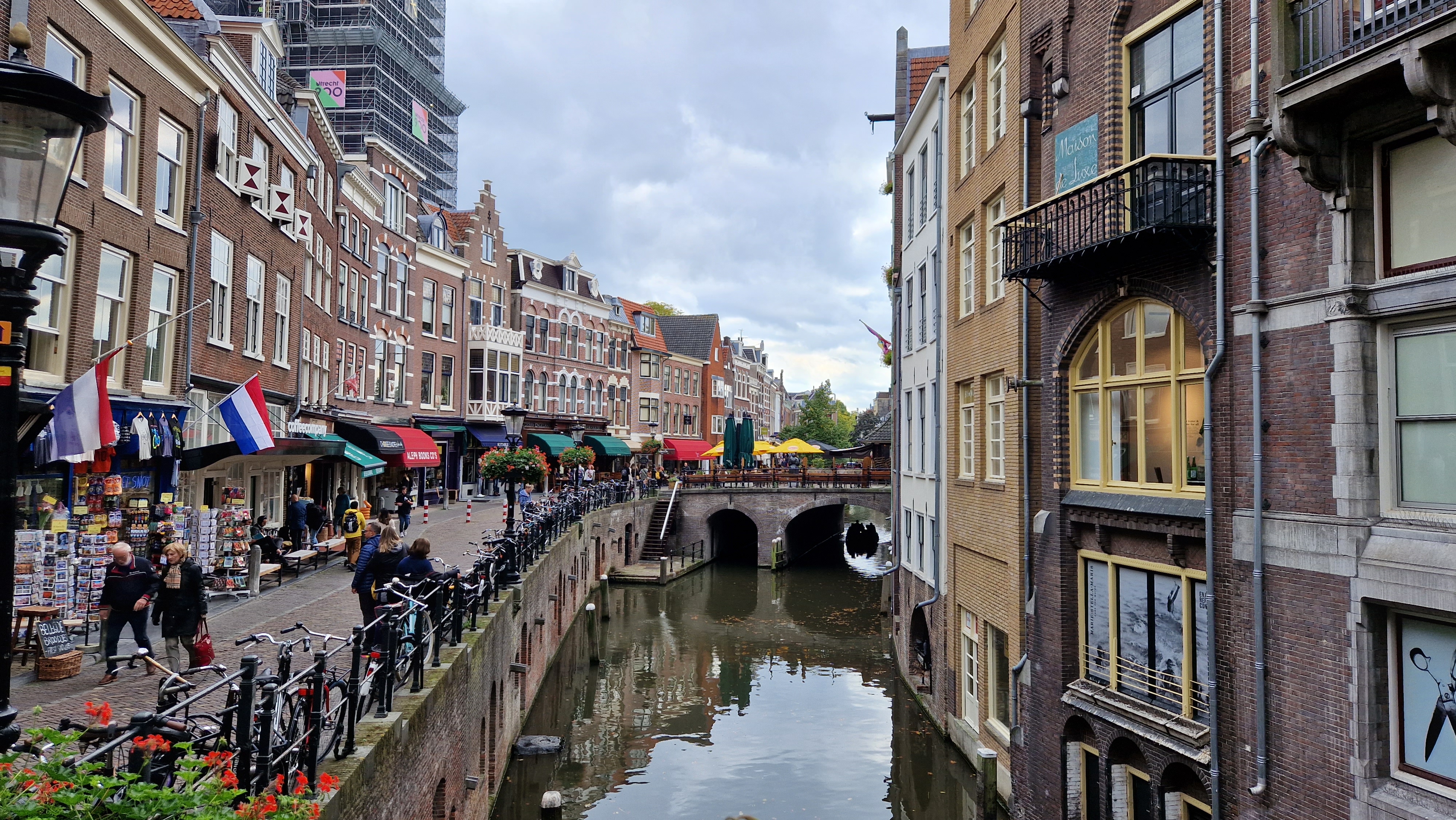

Having arrived into Utrecht onboard an ICE International service (read about that here), I headed to my hostel to check in, freshen up and most importantly have a nap. Staying at the BUNK Hostel a stones thrown from Utrecht Centraal station, it was just a few minutes after getting off the train that I was checking in.
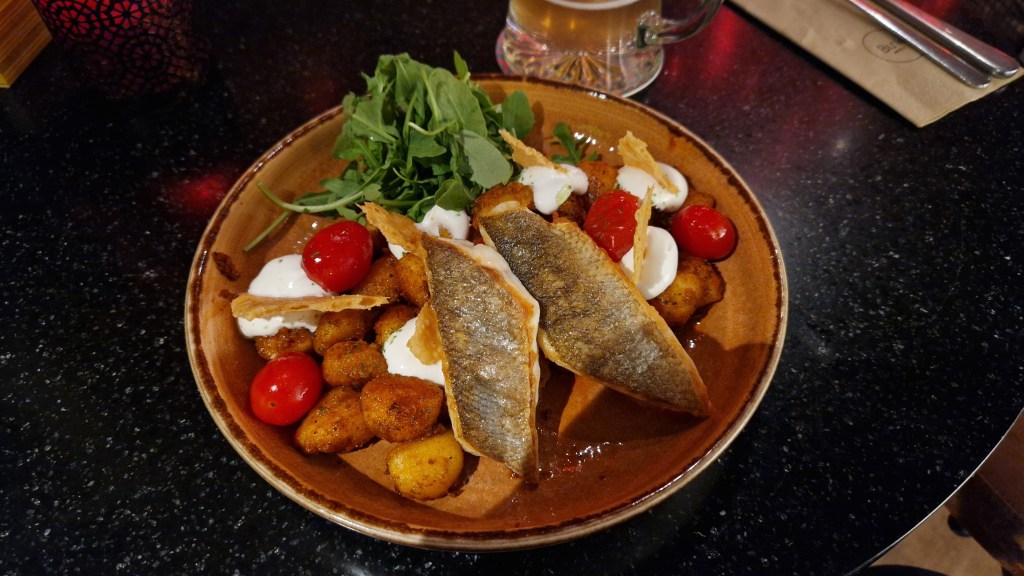
Unfortunately, the early start to catch the Eurostar (read about that here) had caught up with me and my short nap ended up lasting a few hours, meaning my exploration of Utrecht had to wait until the following morning. However, in need of food, I headed downstairs to the hostel’s restaurant which served some absolutely excellent food!
Being accommodation in a major city, the hostel has focused on the international element in terms of the menu, with a wide range of dishes from around the world. I started with a ‘Tex-mex Taco’ followed by Gnocchi with Pan-fried Sea Bass. Both of these were excellent, especially the Gnocchi, however I still felt the need to finish off the meal with a Snickers Desert, made up of peanut ice cream, chocolate shards, salted caramel and nougatine.
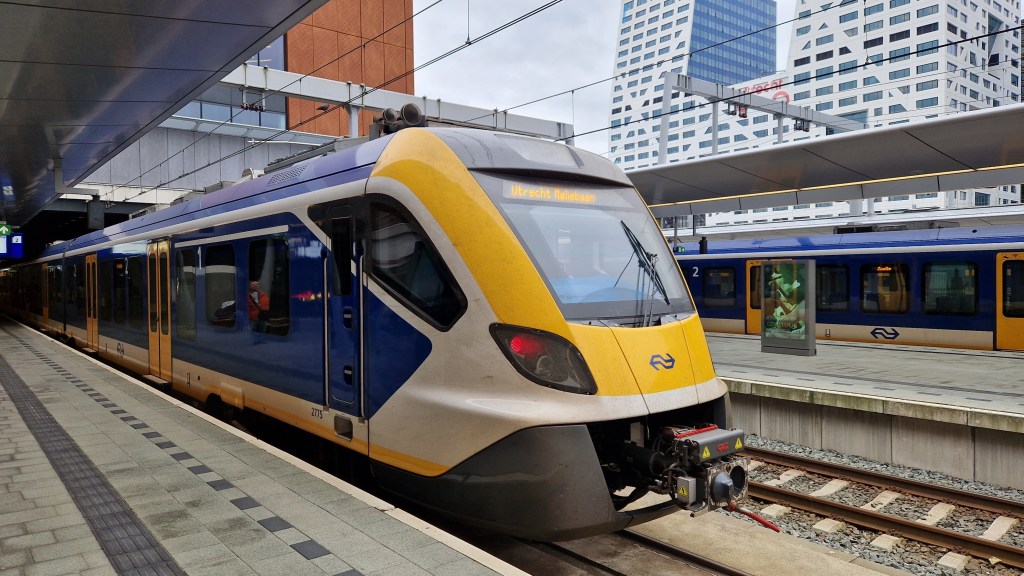
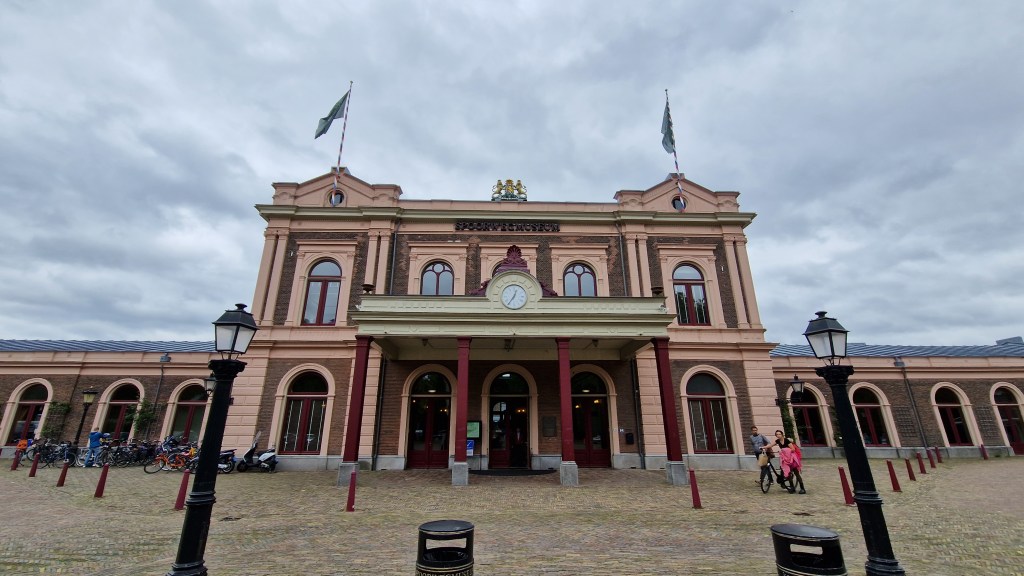
The following morning after a hearty breakfast of pancakes, fruit and salted caramel syrup, I headed back to Utrecht Centraal to catch possibly the oddest service running from the station, the hourly ‘special’ shuttle service to Utrecht Maliebaan. This grand station had been closed in 1939, became the new home of the museum in 1954, and following a two year closure in the early 2000s, the museum re-opened in 2005 with a newly restored rail link. Weirdly, the new link requires the shuttle service to reverse on the mainline to access the branch, something that I would have expected to have been avoided.
The railway museum itself is definitely worth a visit and is on a similar scale to the UK’s National Railway Museum in York. Unfortunately, unlike the NRM, there is a cost to visit the Dutch Railway Museum, with tickets for those older than 4 costing €17.50. Whilst a little on the pricey side, the museum has a huge collection, spread across a huge main hall and various outside areas.
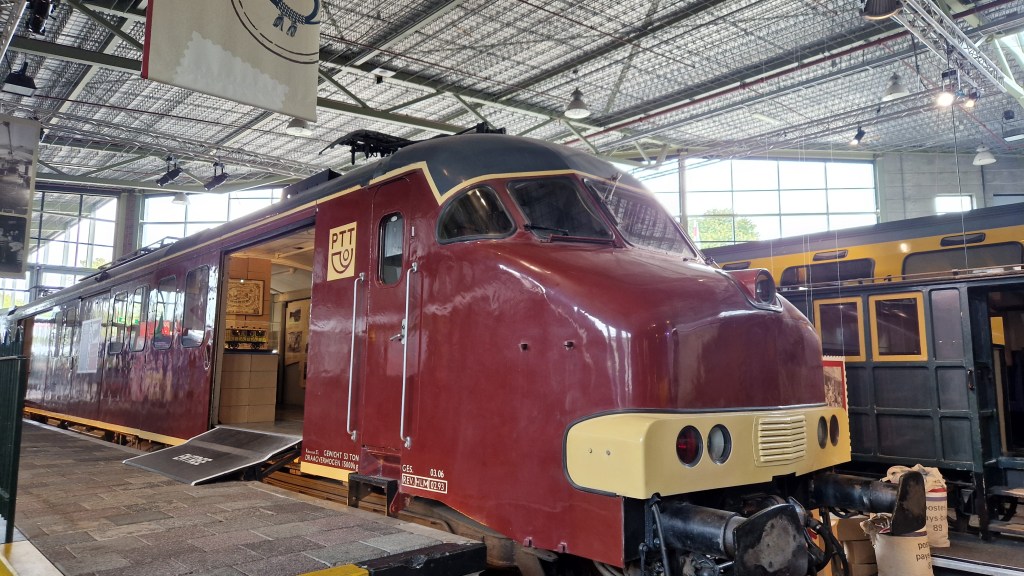
My favourite part of the museum was the exhibition on the former post trains of The Netherlands, which explored the full history of the trains from the days of a mail bag onboard the early railways, through to the streamlined mail carriages of the 1960s. The museum also includes a shop and café, and various small exhibitions dotted throughout, alongside the main open plan displays.
Unfortunately, with my desire to see some more of the city, I had to cut my time at the railway museum short. If you’re planning on visiting, them try to give yourself a full day to explore as I had to skip some of the smaller exhibits as I headed into the city centre for lunch. As I reached the canals that surround the city centre, I passed through a park that now fills the space created by William of Orange when he constructed Earth Forts to assist in defending the city.
Arriving at what is generally the very centre of the city, and possibly Utrecht’s most famous landmark, the Dom Tower. Initially part of the adjacent Dom Church, the tower was separated from the main building when a tornado hit the city in 1674 and destroyed part of the nave. Whilst the missing link was never reconstructed, a temporary scaffold was constructed in 2004 to commemorate the 330th anniversary, and black bricks now mark the location of the former pillars and walls.
Deciding to find somewhere for lunch in the shadow of the tower, I found a small café called Bada Bing, and had a relaxed lunch of a club sandwich, fries and a latte. The food was good, and I enjoyed the atmosphere of the passing locals and tourists, allowing myself a break before joining the walking tour I had booked to go on in the afternoon.
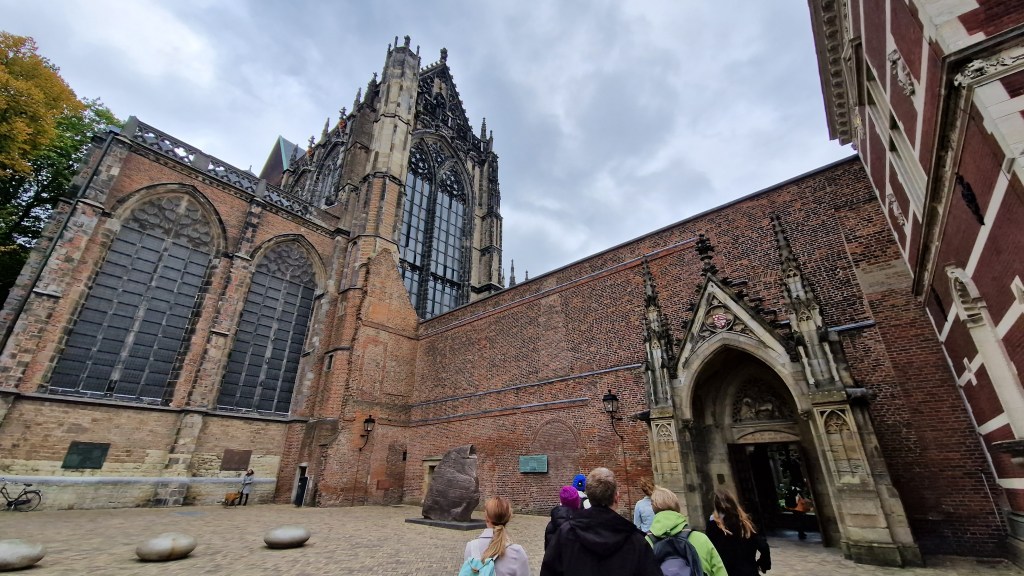
Meeting in the Dom square, we spent some time having the history of the Dom Tower and Church explained to us, aswell as covering St. Martin, the patron saint of the city and who’s colours of red and white and prominently on display throughout the city. Passing through the cloisters of the Dom Church, we emerged on one of the streets I had passed up earlier and outside a house with a commemorative plaque. This was the home of Anna Maria van Schurman.
Born in 1607, Anna Maria van Schurman is best known for her exceptional learning and defence of female education. In 1634 she was asked to write a poem for the opening of the University of Utrecht and in doing so, also challenged the exclusion of women from the university. In response to her complaint, the university allowed her to attend lectures (behind a screen or in a curtained booth), and as such she became the first women to attend university in The Netherlands.
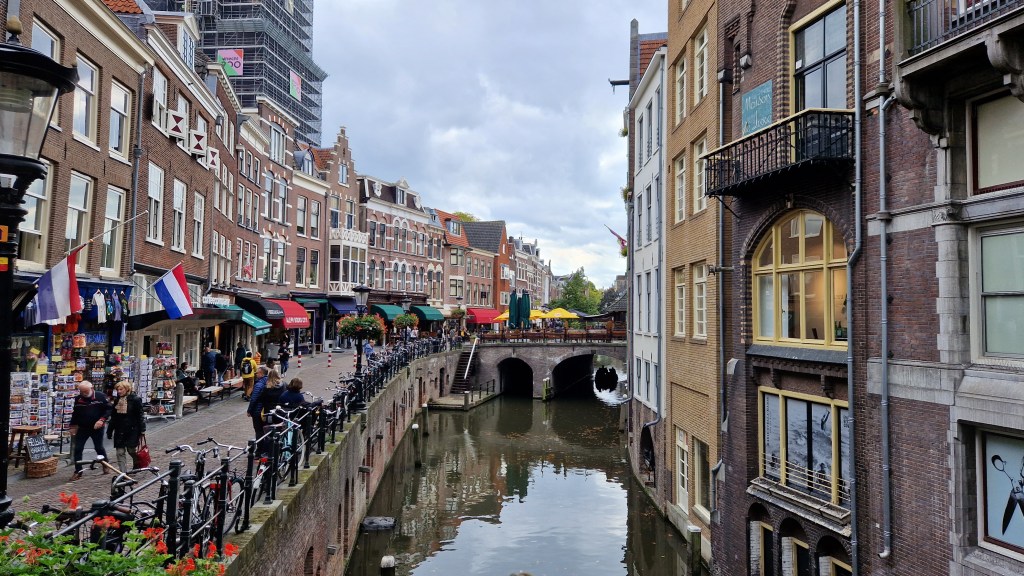
Continuing on the walking tour, our guide took us past the house of the only Dutch pope, Pope Adrien, which he never actually lived in, and to a rather random statue of Anne Frank, who has no connection to the city. Local tradition dictates that female graduates of the university must bring flowers to the statue within a year of their graduation. In the centre itself, we explored the city’s many canals and squares, including one famous for witch weighing during The Netherlands’ witch trials.
We also saw the Utrecht City Hall, where the Treaty of Utrecht was signed, bringing to an end the War of Spanish Succession. This was one of the first international peace negotiations to ever be held, however despite being hosted in The Netherlands, the Dutch were not allowed to be involved. The three entrances to the city hall were constructed to allow all three parties to arrive and leave at the same time, preventing any implication of importance linked to who arrived first.
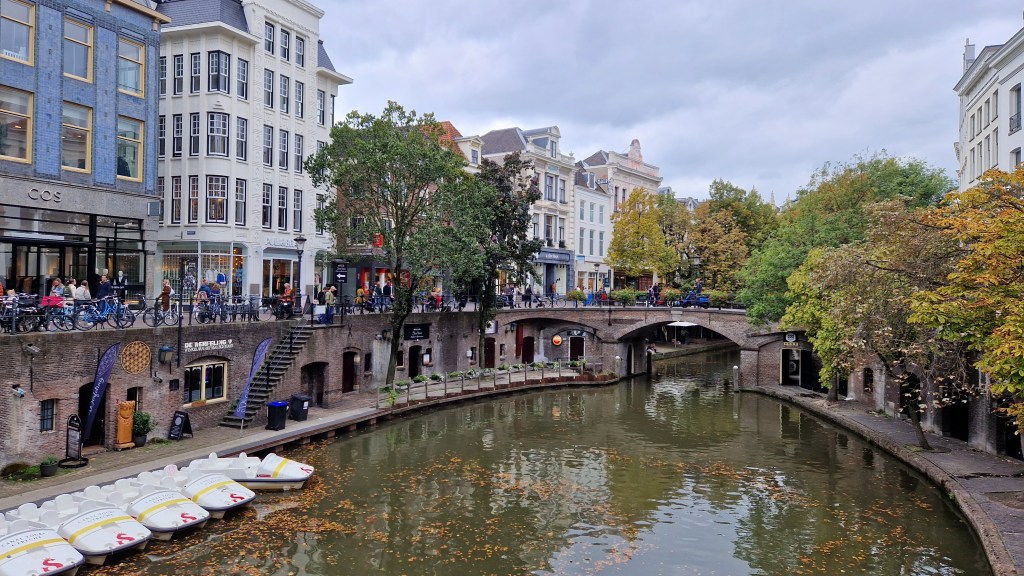
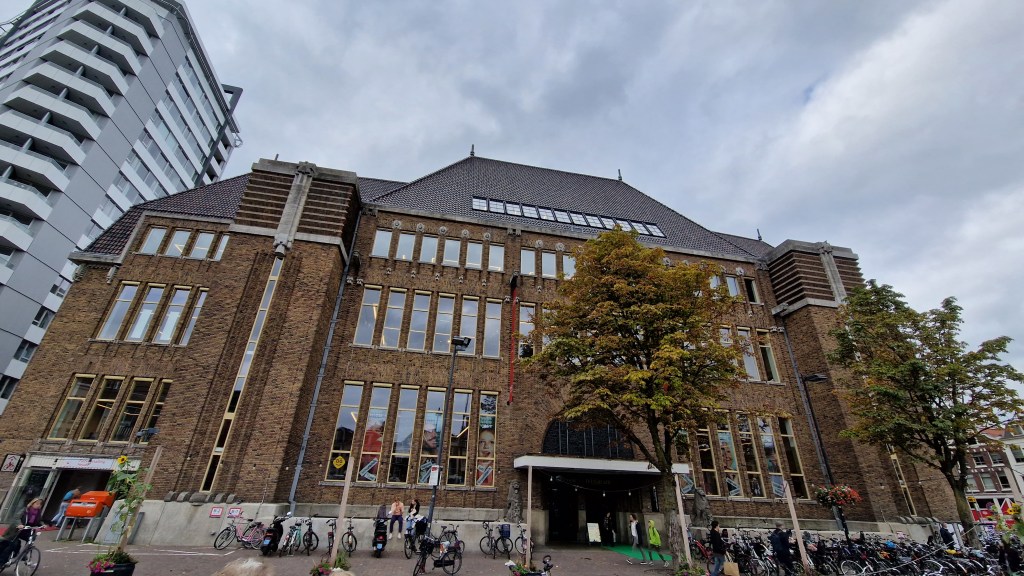
The final landmark I’ll mention from the walking tour is the Bibliotheek Neude, or New Library, which is located in the city’s former main Post Office. This was in fact the last working Post Office in The Netherlands, and the building is extremely grand, denoting its former status as a key part of the city’s infrastructure. Unfortunately I didn’t get chance to go inside, but looking at photos I’d certainly recommend heading in if you can.
We ended the walking tour back near the Dom Tower with a group photo. I don’t think I’ve ever not enjoyed a walking tour, and this was no different. I thoroughly enjoyed exploring the city with a knowledgeable and passionate guide, and as always, would encourage you to do a walking tour in any city you visit.
Whilst I could have spent days exploring the city and visiting museums, I also wanted to take some journeys on the Dutch rail network, so decided to head towards the station, taking in some more of the city as I wandered. Utrecht itself has plenty to do and is a great city to explore, and with its good transport links (between 30-90 minutes to most other Dutch cities), it would be a great place to base yourself for a week or two to explore The Netherlands.

