
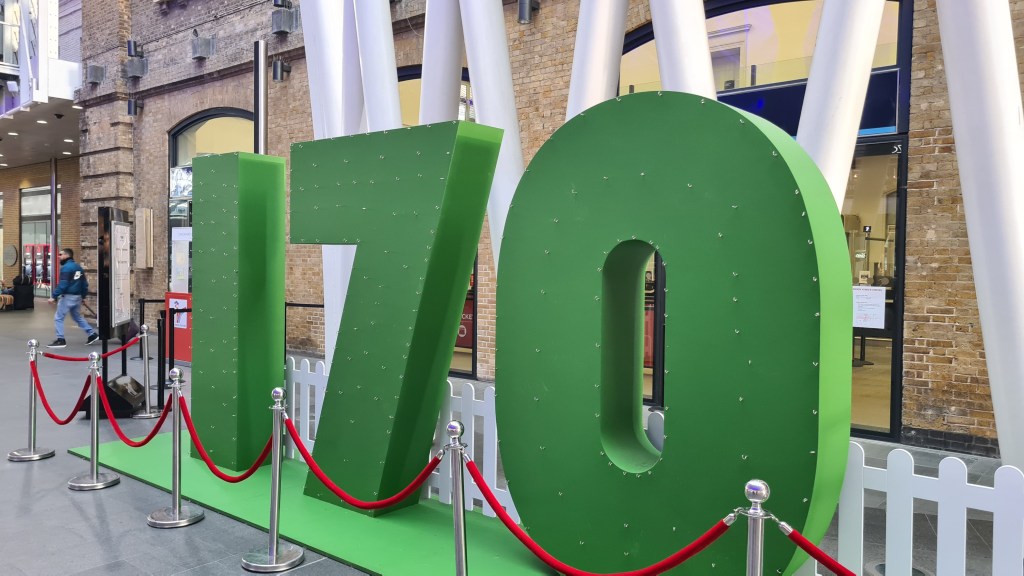
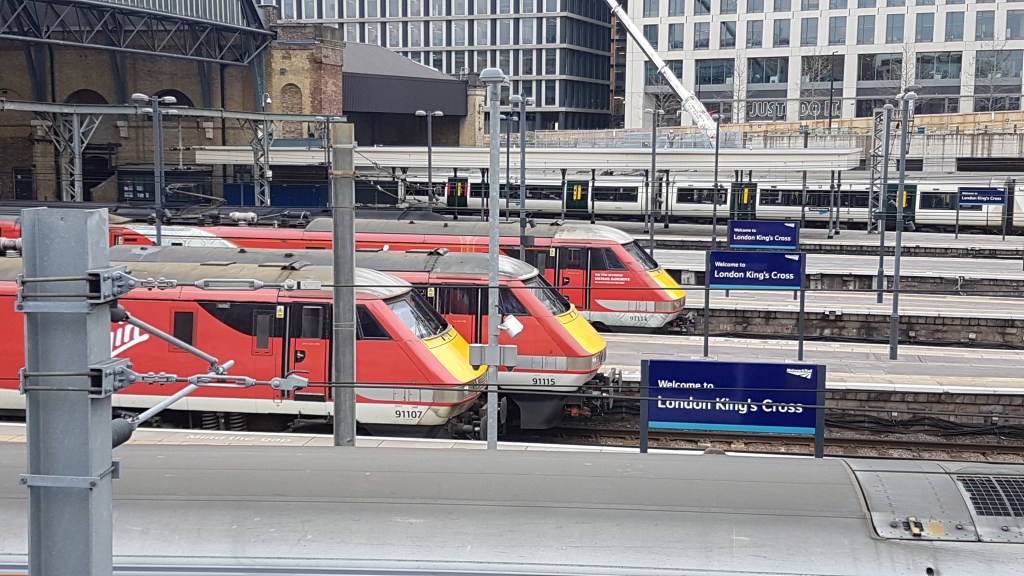
On the 14th October 1852 the new, permanent, terminus of the Great Northern Railway opened next to what is now the Euston Road. Replacing a temporary station nearby, London King’s Cross was born and just over 170 years later the station continues to serve millions of rail passengers each year.
Since I started Flights & Times, some of my most memorable journey’s have started or finished under the grand twin train sheds of Lewis Cubitt’s design. It was at London King’s Cross that my marathon journey onboard The Highland Chieftain came to an end (read about that here) and it was also where I boarded the inaugural LNER service to Middlesbrough (read about that here).
King’s Cross has also see the Last of the Happy Trains (here) and has been involved in some of my railway debacles both negatively (such as when I nearly missed the Sleeper owing to an overhead line issue) and positively (such as when it saved me from similar on the Midland Mainline!) I also commuted into and out of King’s Cross for almost three years, including during Covid, and so the station has played a large part in my life over recent years.
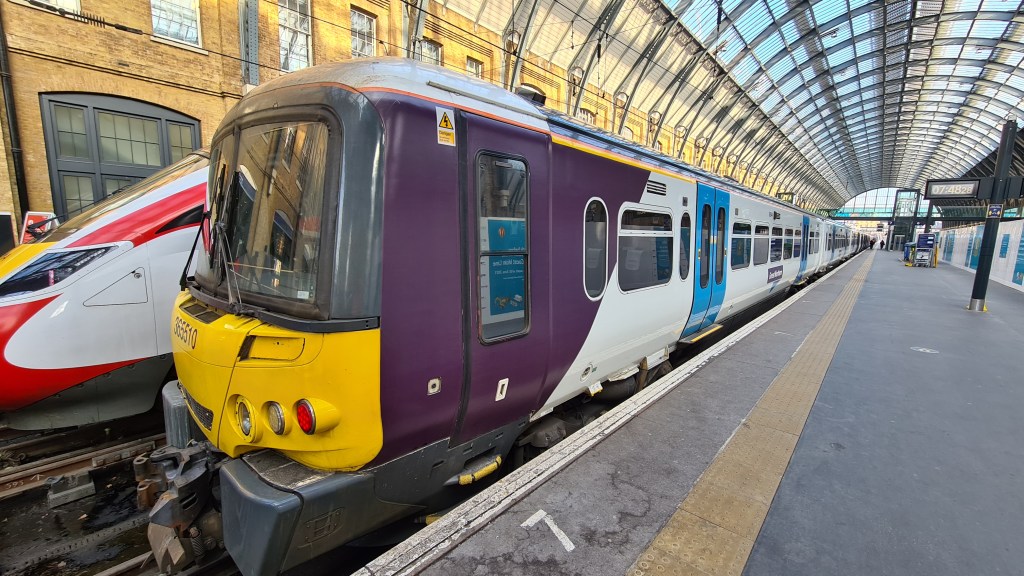
Although less grand than the neighbouring London St Pancras International, King’s Cross is much more prestigious in UK domestic travel, with direct trains to large parts of Yorkshire, North-east England and Scotland. With numerous named trains such as The Highland Chieftain, Hull Executive and of course The Flying Scotsman, some of which still exist today, King’s Cross has also seen some of Britain’s most famous locomotives.
Mallard, the world’s fastest steam locomotive, broke the World Speed Record on a run to King’s Cross (the record was broken between Grantham & Peterborough), whilst King’s Cross was also the home of The Flying Scotsman, the first locomotive to reach 100mph. Other well known locomotives such as Sir Nigel Gresley and Union of South Africa were also locomotives of the London & North Eastern Railway, plying their trade into and out of Kings Cross.
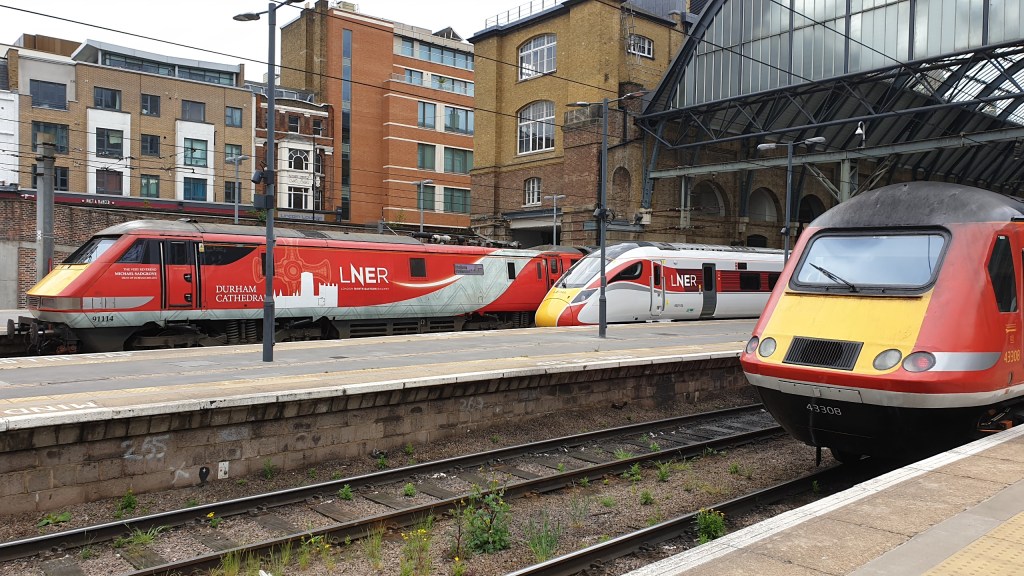
When King’s Cross opened it had just two platforms (the modern platforms 1 & 8), one for arrivals and one for departures. Over the years the layout has changed on numerous occasions, with a peak of 14 platforms (plus York Road – more on that in a bit), however this has now settled at 11 (numbered 0-10) spread across three train sheds. From King’s Cross you can get a train that runs just 35 miles to Letchworth, or an impressive 550+ miles to Inverness.
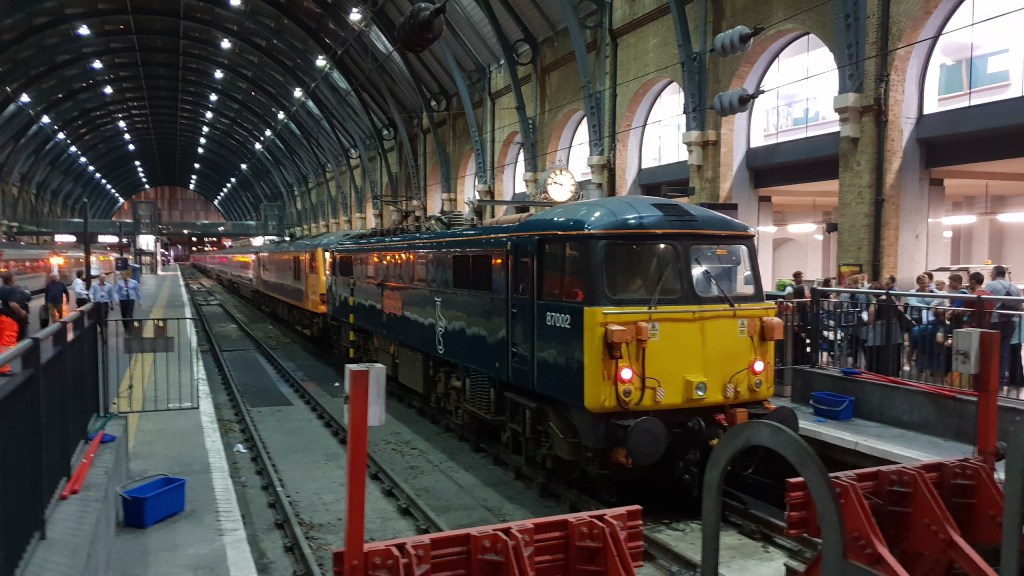
Prior to the Covid-19 pandemic and the various UK lockdowns, London King’s Cross was Britain’s 10th busiest station, serving 32.5million passengers in 2019/20. Today the station regularly serves six train operators (Grand Central, Great Northern, Hull Trains, LNER, Lumo & Thameslink) and occasionally sees Caledonian Sleeper services when engineering works on the WCML require diverts.
King’s Cross has also lent its name to satellite stations in the area, with King’s Cross Metropolitan/ Midland City/ Thameslink station originally serving the Great Northern Railway’s services to Farringdon. Services developed to then through to South London and finally through to both Brighton and Moorgate before its closure in 2007 when replacement platforms at St Pancras International opened.
York Road station, just to the north of the main King’s Cross complex, also borrowed the King’s Cross name for over 100 years. A single platform satellite to the north-east of the main station, it was York Road that services heading onto King’s Cross Metropolitan used before heading down onto the City Widened Lines. Services in the other direction used the Hotel Curve and platform 16 (renumbered 14) of the main station. York Road served trains from 1863 until its closure in March 1977.
King’s Cross’ most recent celebrity connection had been with a rather famous wizard, Harry Potter, who caught the Hogwart’s Express to school from the station’s platform 9 ¾. Of course, eagle eyed viewers of the Harry Potter and the Chamber of Secrets film will know that the entrance to platform 9 ¾ was incorrectly filmed at a pillar between platforms 4 and 5 in the main station, whilst platforms 9 and 10 are in the suburban part of the station.
King’s Cross is now home to a Harry Potter shop, where you can have your photo taken with a trolley that is partway through the wall and the station sees hundreds (if not thousands) of fans descend every year on the 1st September for the departure of the Hogwarts Express. There must be something magical going on for it not to clash with LNER’s 1S13 1100 to Edinburgh in the station throat!

Hopefully King’s Cross will continue to serve passengers for another 170 years, and I hope you’ve enjoyed this short tribute to the station. Next time you travel to or from the station, just take a minute standing on the bridge or the mezzanine and watch the hustle & bustle of the station. Imagine the millions of passengers over the years and how many more will travel in the future!
 Flights & Times