
For those of you expecting the second part of my Bilbao explorations, apologies, time ran away from me during the week I needed to write it. To try and meet my own publishing deadline of 1100 on a Monday, I’ve decided to throw this mini blog into the mix, as it was a lot quicker to write and its been on my list of ideas to do for a while. So, without further ado, here’s some of my top tips to consider when travelling.

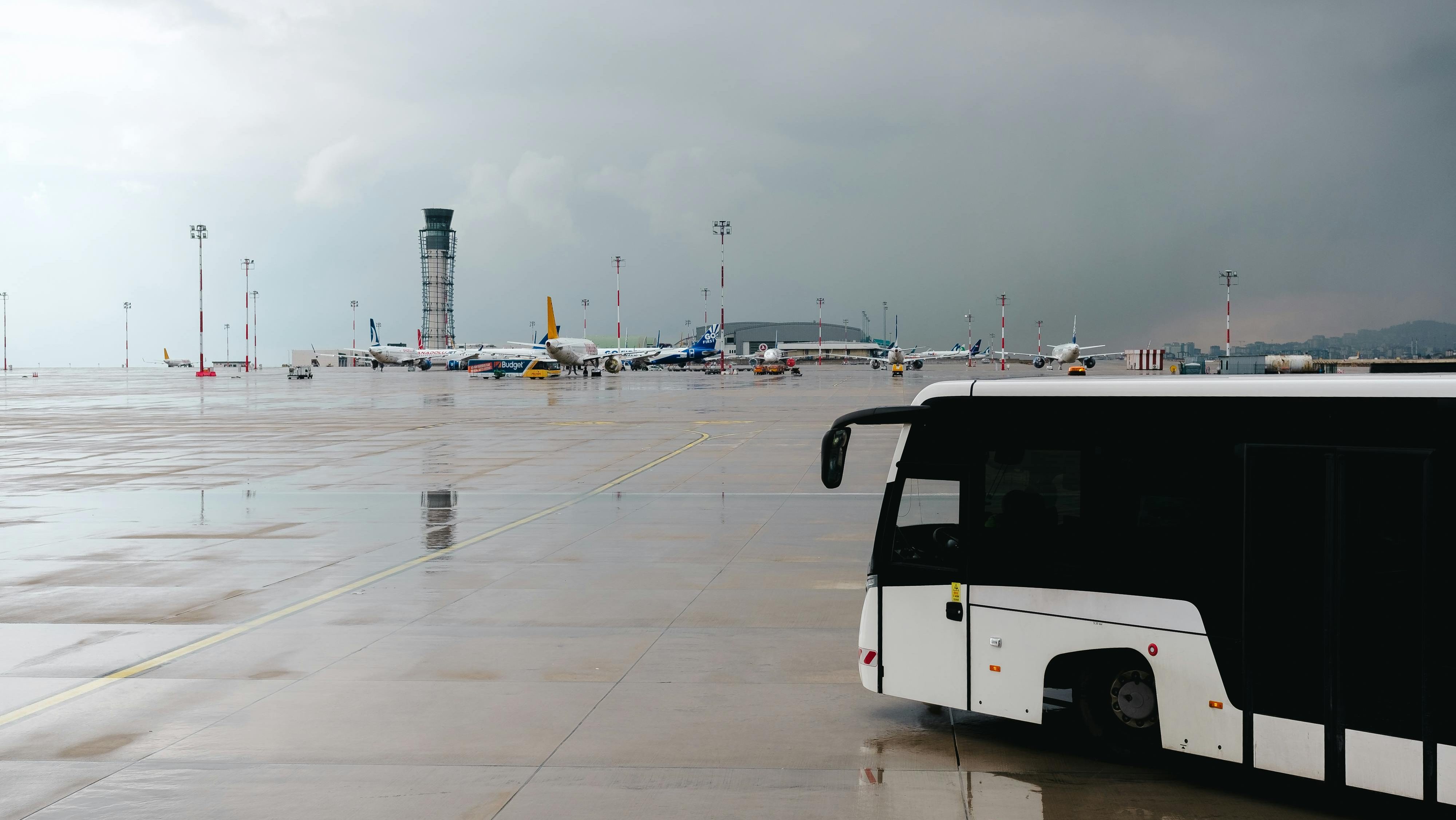
Getting to the Airport – Something I tend to forget to consider when first booking a trip, and then have to work out afterwards, is how I’m getting to the airport. To make the most of a day trip abroad, or to get a bargain, early flights are a must and this often means getting to the airport before I could get direct trains from home. Does this mean resorting to paying the extortionate airport parking prices? Not necessarily…
A trick I use, certainly when flying from Stansted is to make the most of the early rail connections from towns near to the airport, driving most of the way, but then making the most of cheaper parking and decent rail fares to get to the airport itself. For Stansted I tend to use either Bishops Stortford, or Audley End for especially early flights, as these offer trains arriving at the airport at 05:38 and 05:14 respectively. On my most recent trip to Bremen, I ended up staying overnight in Harlow, and the station parking and rail fare combined only came to around £20, vs the £50+ per day that Stansted charges.
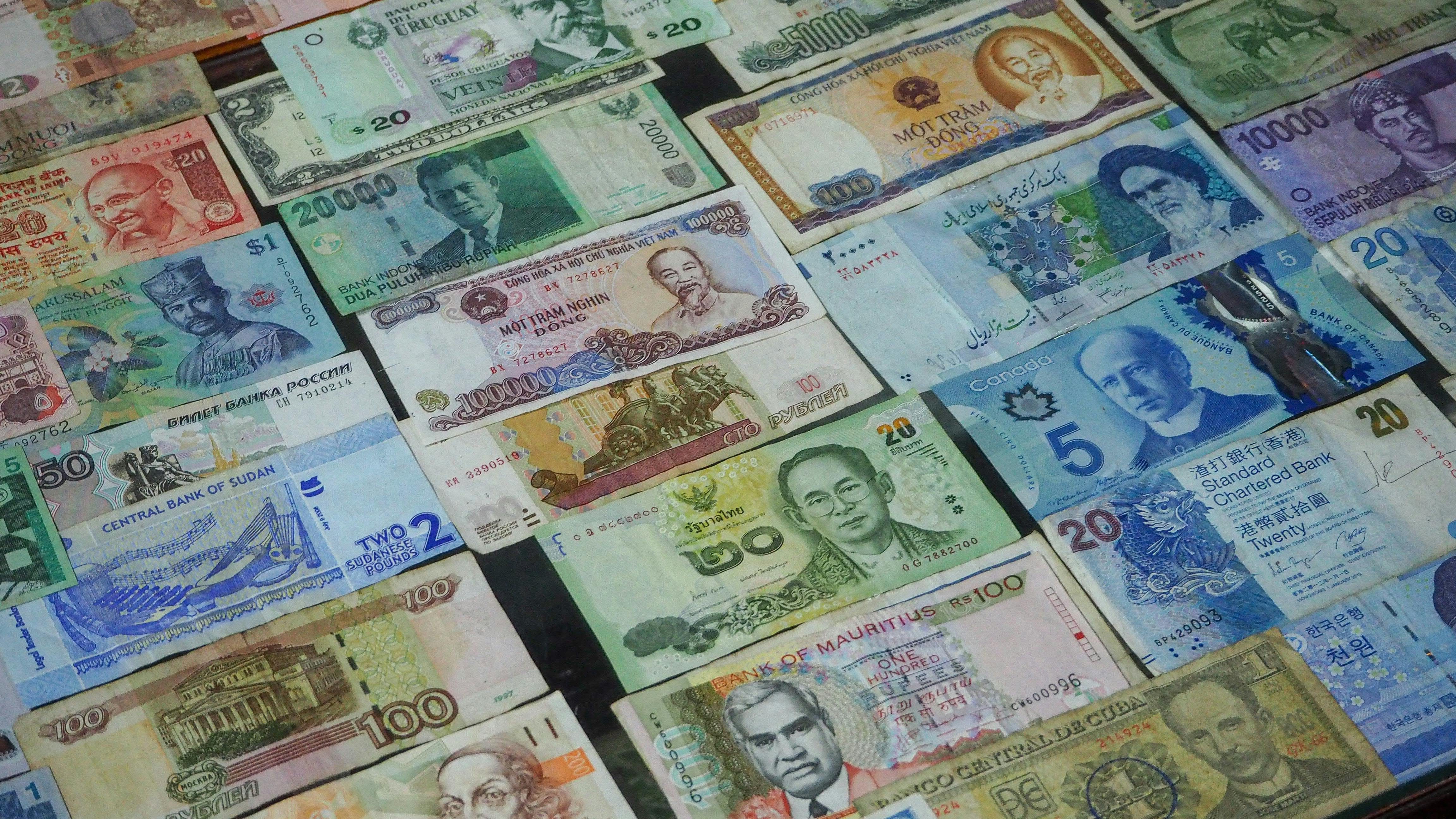
Cash is King! – Whilst its handy to be able to pay for everything on your phone, especially with the rise of ‘fee free’ banks such as Monzo and Starling, its still worth having some cash handy to avoid getting caught out. Plenty of places, especially smaller restaurants, don’t accept card and it can be quite awkward having to run to get cash, especially if you’re solo. Since having this experience in Sofia, I have always carried enough cash to pay for a meal with me, although I’ll still try to pay with card where I can.
When it comes to cash, its also worth being wise when getting cash out from an ATM. Don’t EVER take a conversion rate offered by an ATM (or a shop/restaurant card machine) as these will often be at a poor rate and end up costing you money. Even if you card provider charges for foreign transactions, these fees are still often cheaper than the amount you’d lose out on via the poor exchange rate. As an example, on one occasion I withdrew €150 from an ATM which offered to charge me £135 for it. My bank, Monzo, only ended up charging me £127 via their exchange rate, saving me £7 over the ATM offered rate!
Technology Is Good, Is Paper Better? – I’m sure that, like me, lots of people use their phones for everything these days, including boarding passes, train tickets and much more. But what would you do if you were waiting to board your flight home and your phone battery died? Its not worth finding out! After a close call with 5% battery and a late night flight home, I make sure that even if I’m planning on using my phone, I have paper copies of boarding passes and tickets where possible. These might not get used, but its reassuring to know that if my phone did die, I would still be able to get home. Obviously, also take a power bank with you, as you still don’t really want to fly home without having something to watch or listen to!
Getting Around on the Ground – Whether you arrive by air or rail, when you arrive in your destination city you’re going to want to get around. Firstly, from the airport or train station to your accommodation and then to get around the city itself. The first part of this is tip is USE PUBLIC TRANSPORT where it is readily available. Pretty much all major European cities, and plenty of smaller ones, have an extensive metro or tram system, and unlike the UK, many have integrated their bus networks into this. For example, I’m writing this having recently arrived back from Bremen, where as Germany’s 11th largest city, they have one transit map covering all their trams and buses, so you can see exactly where you need to change and travel around the city easily.
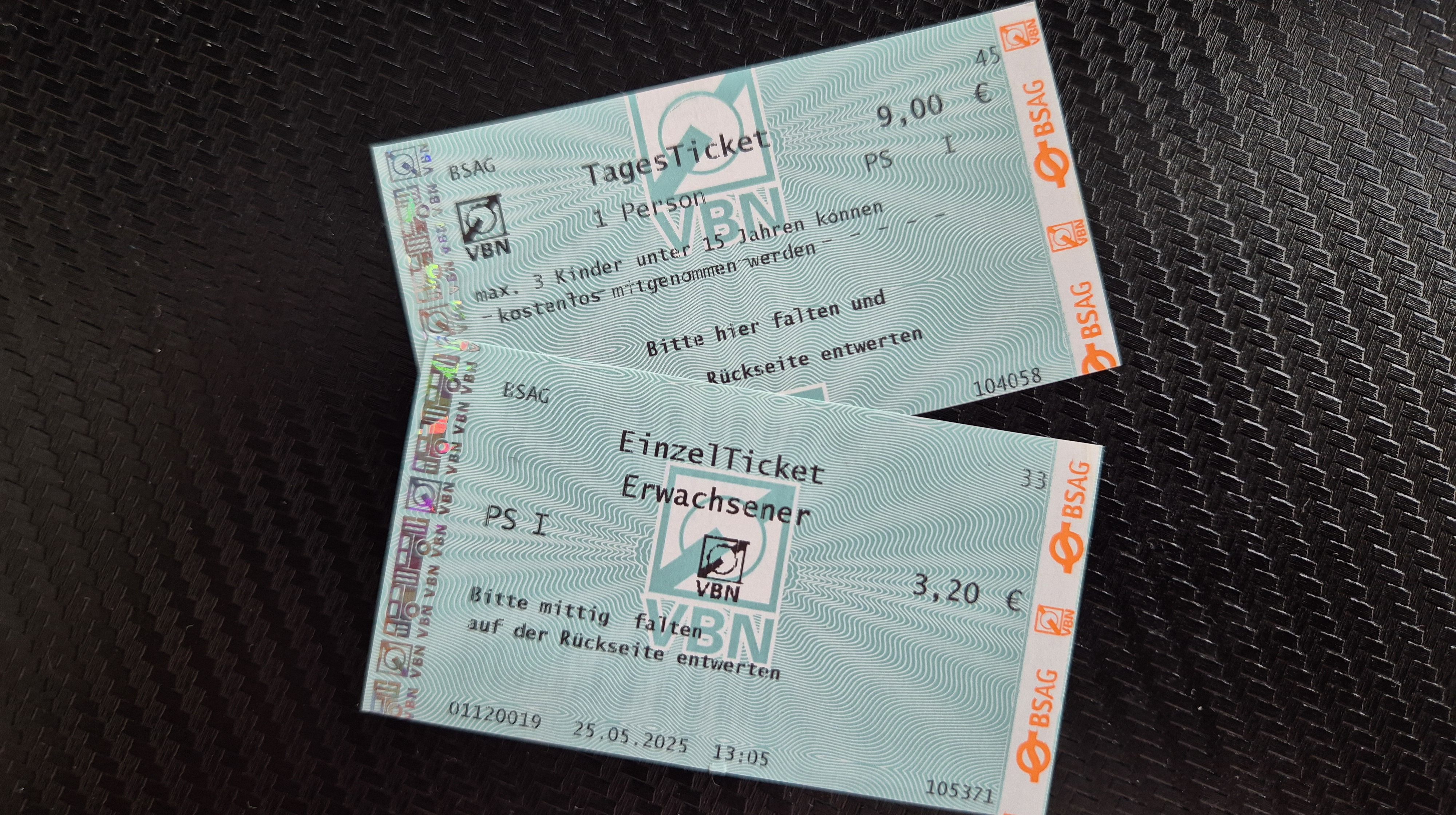
The second part of this tip is to purchase a day or multi-day ticket for the transport system you’re using. The main reason for this is to save you the hassle of having to buy individual tickets each time, whilst also saving you money. In Bremen, a day ticket cost €9, whilst singles cost €3.20, so as soon as I made three journeys in a day I was saving money. One thing to double check is whether the local ticket is classed as a ‘day’ ticket or ’24 hour’ ticket, as the former is usually for a calendar day (until around 0200-0430 the following morning), whereas the latter will cover you for 24 hours from the time of purchase (handy if you’re getting a late flight in and a late flight out the following day).
The final bit of this tip is for where the public transport network isn’t extensive, or the timings don’t work. SHOP AROUND! If there’s only a poorly timed bus link connecting your destination to the airport, and the accommodation offers you a transfer, check how much a taxi would cost first. I had this issue in Split with the bus (which cost €8 one way) not quite matching with my flight time whilst my hotel was offering a transfer for an extortionate €45. Shopping around on the ride share apps, Uber was offering a price of €30, whilst Bolt was offering €24.40 (a €20.60 (45.78%) saving compared to my hotel). Obviously that €20 saved can be used for much better things whilst on holiday!

That’s it for this round of travel tips from me. Hopefully you find some of these helpful or at least useful to think about next time you’re travelling. If you have any top tips when you’re travelling, let me know in the comments or via my social media channels. For those who came to the blog expecting the second part of the Bilbao post, I promise that it’ll be coming next week.
 Flights & Times