
Entering service on the Merseyrail network in November 1978 and March 1983 respectively, the class 507 and class 508 units have served the commuters of Merseyside and the surrounding areas for over 40 years. Despite a refresh in the early noughties, the class 507s and 508s were showing their age and a replacement clearly needed. This replacement came on 23rd January 2023 when 777049, the first Class 777 entered service.
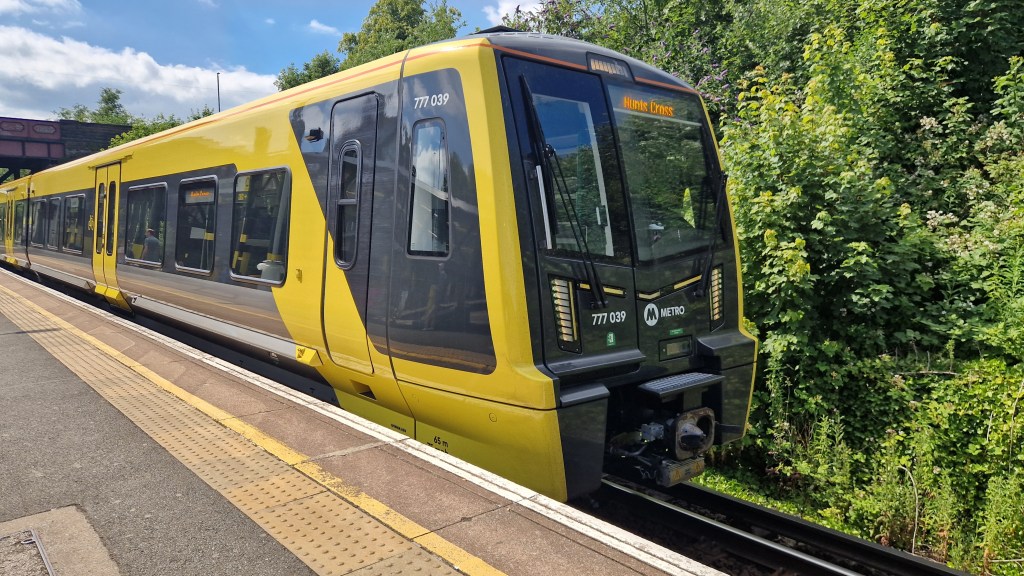
I know it’s a bit of a cliché but the class 777s really are a game changer for the Merseyrail network. Built by Stadler at their factories in Switzerland and Poland, the class 777 is a derivative of their METRO family of trains (along with the new Glasgow subway trains). Designed with level boarding as standard along with large accessible spaces onboard, these new trains, along with the associated infrastructure works, make the Merseyrail network much more accessible to those that need it. It’s not just physical accessibility that the new class 777s improve though as bike storage spaces allow passengers to use greener methods of transport for the first and last parts of their journey. One thing that isn’t available onboard is a toilet, with most journeys being short enough to not require one and toilets being available on various Merseyrail stations.
Rather than being financed via the traditional method of a Rolling Stock Leasing Company, the purchase of the new class 777s were funded by the Liverpool City Region meaning the trains are owned by Merseytravel (the local public transport authority) and leased to operator Merseyrail. The units are formed of four cars instead three like their predecessors, with the two centre cars being shorter than the end cars. Shared bogies between each of the cars not only reduces the requirement from eight to five, it also improves manoeuvrability allowing the trains to be about five meters longer than their predecessors.
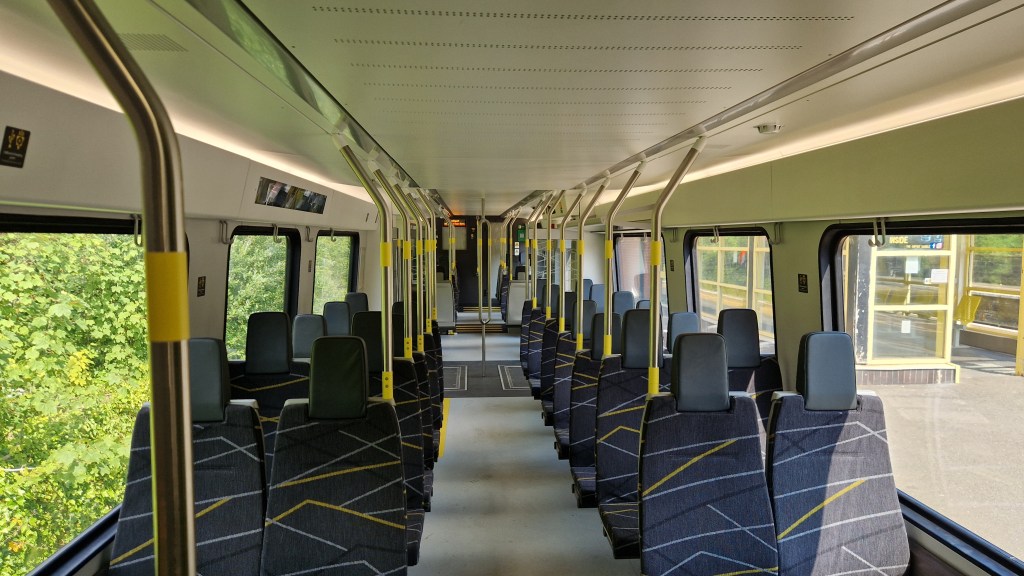
Onboard, there is 2-2 seating throughout with plenty of standing space for additional capacity during peak periods (a 60% increase is claimed by the manufacturer), although each train does have 10 less seats than its predecessors. There are standard and USB power sockets throughout, and a line-side Wi-Fi system installed to allow the trains to ‘talk’ to the control centre also allows customers internet access, something especially beneficial on the underground sections of the network. Generally, the interior is just brighter and friendlier than the units they replace, helped by LED lighting and more ‘openness’ created by cantilevered seats and walk-through carriages.
In total 53 class 777 units were ordered to replace the class 507s and class 508s, with Merseytravel having the option to order a further 60 units in the future as part of the current contract. Of the 53 units, 46 are class 777/0 electric multiple units (EMUs) and operate across the Merseyrail network. The other seven units as class 777/1 battery electric multiple units (BEMUs) and operate primarily on the Kirkby line where the unelectrified extension to Headbolt Lane requires battery powered units.

During my trip to the north-west I took a couple of rides on the class 777s, from Hunts Cross to Liverpool Central and from Liverpool Central to Headbolt Lane and they are really nice units. Whilst possibly not fitted with the most comfortable seats, given the majority of journeys onboard will be quite short this isn’t really an issue, and all of the other amenities are definitely plus points. Hopefully Merseytravel aren’t short sighted and decide to take up their option of additional units to allow for the further expansion of the Merseyrail network or increase in services.
 Flights & Times
One thought on “Liverpool’s New Class 777s”