
When people talk about mainline railways that cross a UK city, probably the first that spring to mind are either Thameslink or the Elizabeth line in London. After that, Glasgow’s Argyle and North Clyde lines might come to mind, or the mess of railways that ‘kind of’ cross Manchester. However, the UK’s second city, Birmingham is also home to a cross city railway, simply named the ’Cross-City Line’.
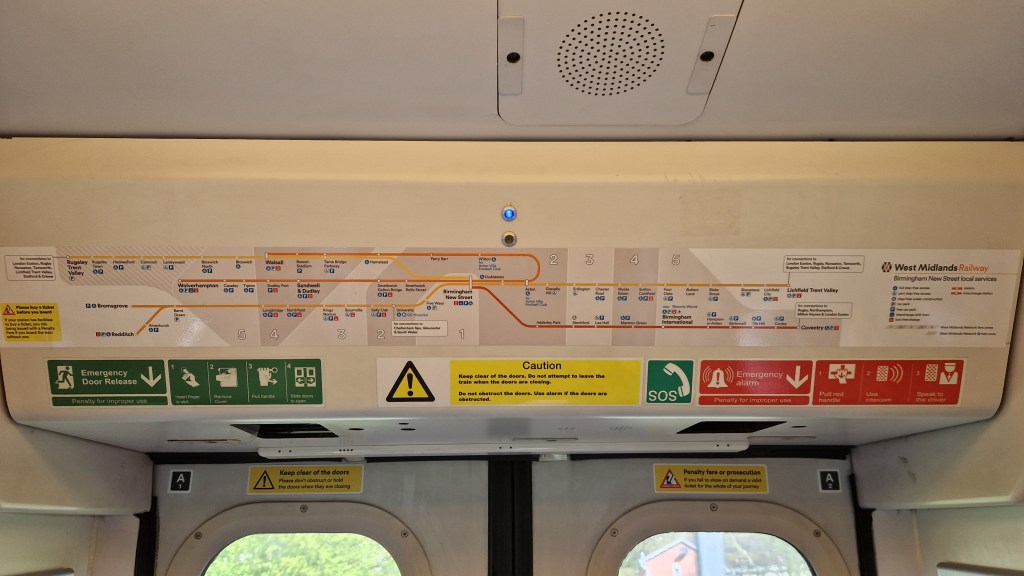
Opening in 1978, the Cross-City Line connected a number of existing railways, to bring through services between Longbridge in the south to Four Oaks and Lichfield in the north. The 1980s saw the Cross-City Line being extended to Redditch in the south and to Lichfield Trent Valley in the north, however it was the early 1990s when major changes were brought to the line.
Electrification of the Cross-City line began in May 1990 and was completed in June 1993, with new electric units ordered to operate services on the newly electrified lines. Unfortunately, the new units, the class 323, were beset with teething problems and did not enter passenger service until almost 8 months after the electrification was completed, although testing operations did start during 1993.
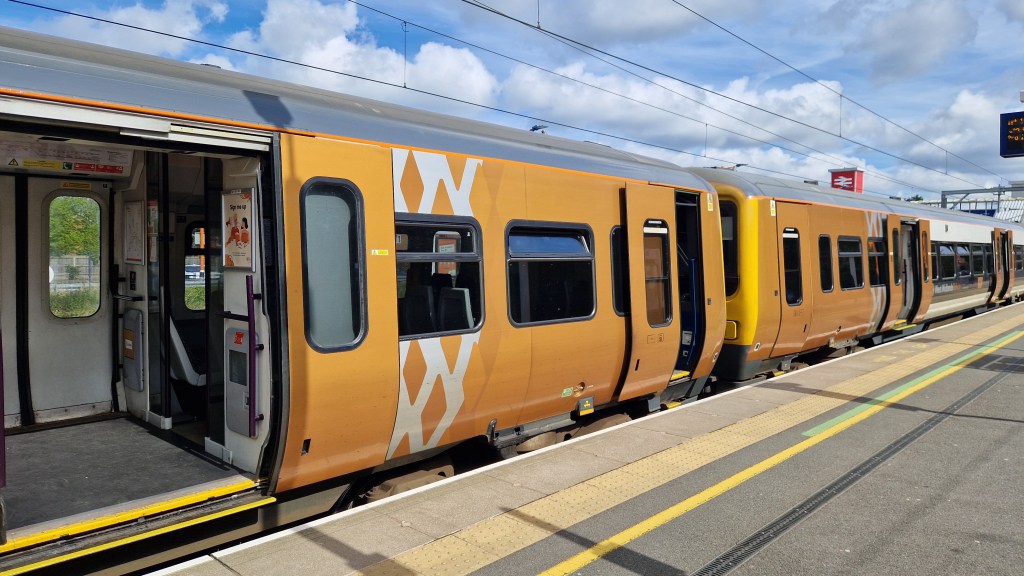
The class 323s were a massive improvement for the Cross-City line when compared to the class 101 and class 116 diesel units that they replaced. Quicker acceleration and a higher top speed led to reduced journey times and, along with future infrastructure works, ultimately to increased frequencies across the line. In 2023, West Midlands Trains (WMT) celebrated 30 years of class 323 operations by painting unit 323221 into the original Centro livery it wore at introduction.
As well as serving Birmingham’s Cross-City line, the new class 323s were also delivered to Manchester to replace ageing class 304 and class 305 units on the electrified suburban lines to the south of the city. As with the fleet in Birmingham, it has been muted in recent years that the class 323 in Manchester would be replaced and retired, however in fact the opposite is happening as the Birmingham fleet is being cascaded to Manchester following the introduction of WMT’s class 730s.
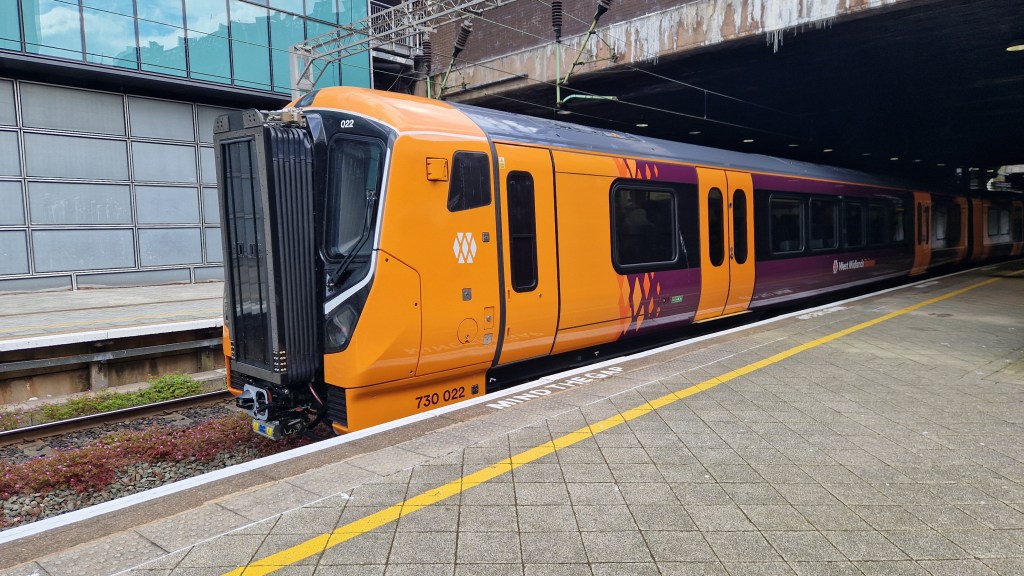
The second new fleet introduced by West Midlands Trains (read about the class 196 here), the class 730 is part of the Aventra family of trains produced by Alstom (formerly Bombardier) at their Derby Litchurch Lane works. The class 730 fleet comprises 84 units of two varieties, the 730/0 three-car units and the 730/1 five-car units, with the 730/1s being allocated to WMT’s London Northwestern Railway subsidiary whilst the 730/0s will primarily operate for WMT’s other subsidiary West Midlands Railway on local services in the West Midlands.
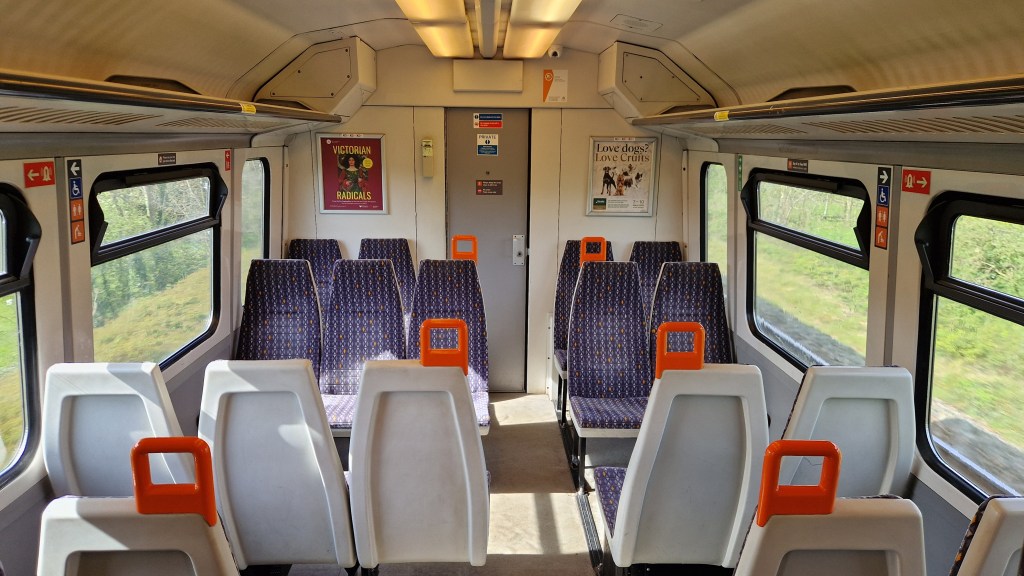
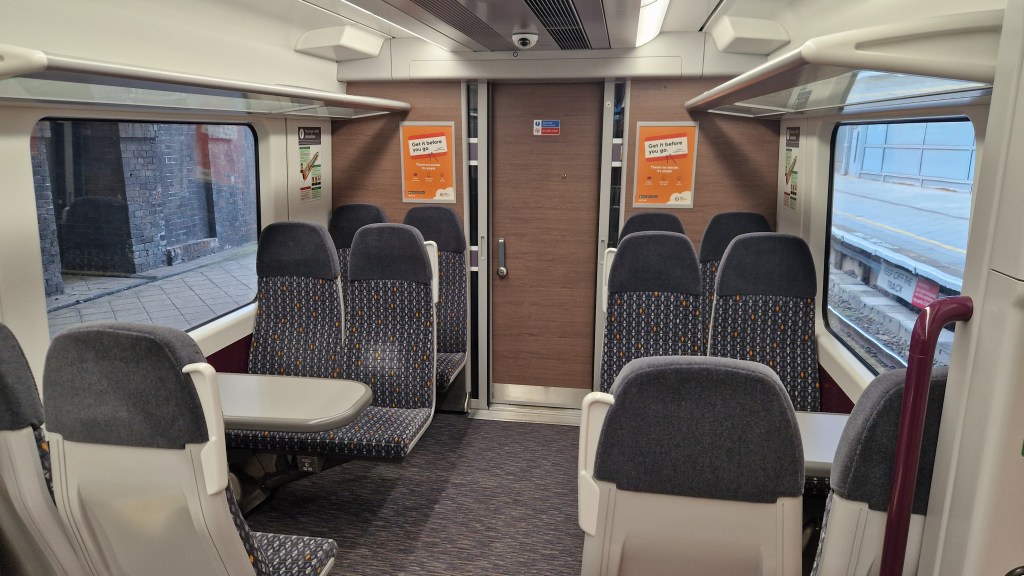
The class 730s will reportedly ‘double’ capacity on the Cross-City line, although this is based on both seating and standing capacity, so whilst more passengers will be able to board, less may be able to get a seat. The class 323s have the majority of their seating in a 3-2 layout, whereas the class 730s have all their seating in a 2-2 layout, meaning the 730s seem a lot more spacious and whilst not only allowing increased capacity in peak times, also provides a more pleasant experience in general.
In addition to the seating layout being different, the class 730 seating is cantilevered and does not have large pieces of equipment housed underneath, of which the latter is a problem on the class 323s. These changes mean there is more leg room for passengers, or for the storage of smaller bags, again improving passenger comfort and hopefully reducing the peak time discomfort of bags being store on laps.
As would be expected of new trains, the class 730s have onboard Wi-Fi and also have both a standard socket and two USB sockets for each pair of seats. The seats themselves aren’t great and are certainly not as comfy as those on the class 323s, however for the short local journeys they are specified for, they are absolutely fine. The class 730s also have better lighting, onboard displays and improved accessibility, so overall are a much improved offering for the Cross-city line.
The class 323s have served the West Midlands well over the last 31 years, however the time has come to replace them on the routes around Birmingham that are seeing ever increasing demand. The class 730s are a good, modern train and the specification seems to fit the planned use well, whilst the class 323s will continue to see use in the north-west to assist in bolstering capacity on routes there. I look forward to trying out the class 730/1s on London Northwestern’ routes in the near future and maybe there’ll even be another blog!
 Flights & Times