
Its been a while since we did a ‘five places’ post, so I’ve decided that its time for another, with 5 Extra Places to visit. Whilst for the most part this post will be the same as others in being a bucket list, this one is a little bit different as it actually includes a place I’ve already visited.
Manaus, Brazil
Situated in the north of the country, Manaus is the seventh-largest city in Brazil and the capital of the Amazonas region. The city is surrounded by the Amazon rainforest, and this is one of the main reasons people visit the city for both tourism and research.
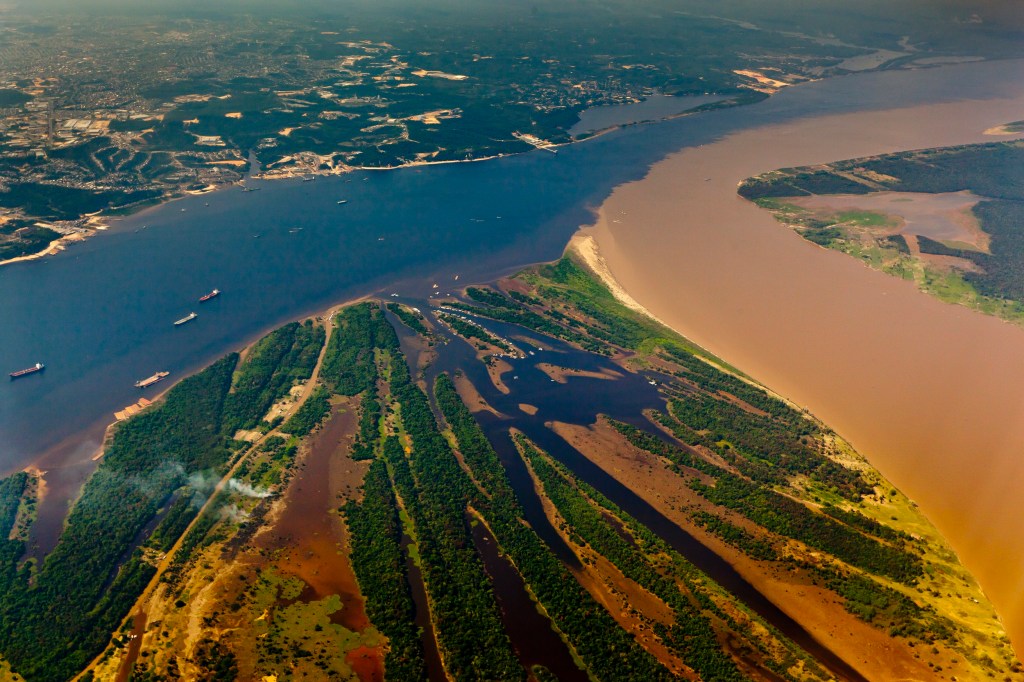
Meeting of the Waters – Close to Manaus is the confluence of the Rio Negro and the Amazon (known as the Solimões River). The confluence is known locally as the Meeting of the Waters and is visually spectacular as the dark water of the Rio Negro meets the sandy water of the Solimões River. Even more amazing is that the rivers run side by side without mixing for over 3 miles owing to the differing conditions between the two rivers. This is one of Manaus’ most popular tourist attractions, with boat trips from the city heading to the site.
Historic City Centre – As with many of the major cities in South America, Manaus’s major growth came during the colonial period, with many interesting sites and buildings within its historic centre. These include the bright red and yellow Mercado Adolpho Lisboa market hall and the more pastel pink and white Amazon Theatre. Other interesting historical sites include the customs building; the Rio Negro Palace cultural center; and the Justice Palace.
Museu da Amazonia & Tower – The Museu da Amazonia or Museum of the Amazon (MUSA) is a botanical garden located on the edge of the city. It contains more than 100 hectares of the Adolpho Ducke Forest reserve and along with seven walking trails includes a 42-metre-high towers providing views out over the forest canopy.
Seattle, WA, USA
Located between the Puget Sound and Lake Washington, Seattle is the most northerly major city in the continental United States and lies around 100 miles south of the Canadian border. The city is the largest in Washington state and is famous for being one of the major centres of the US aviation industry as the home of Boeing.
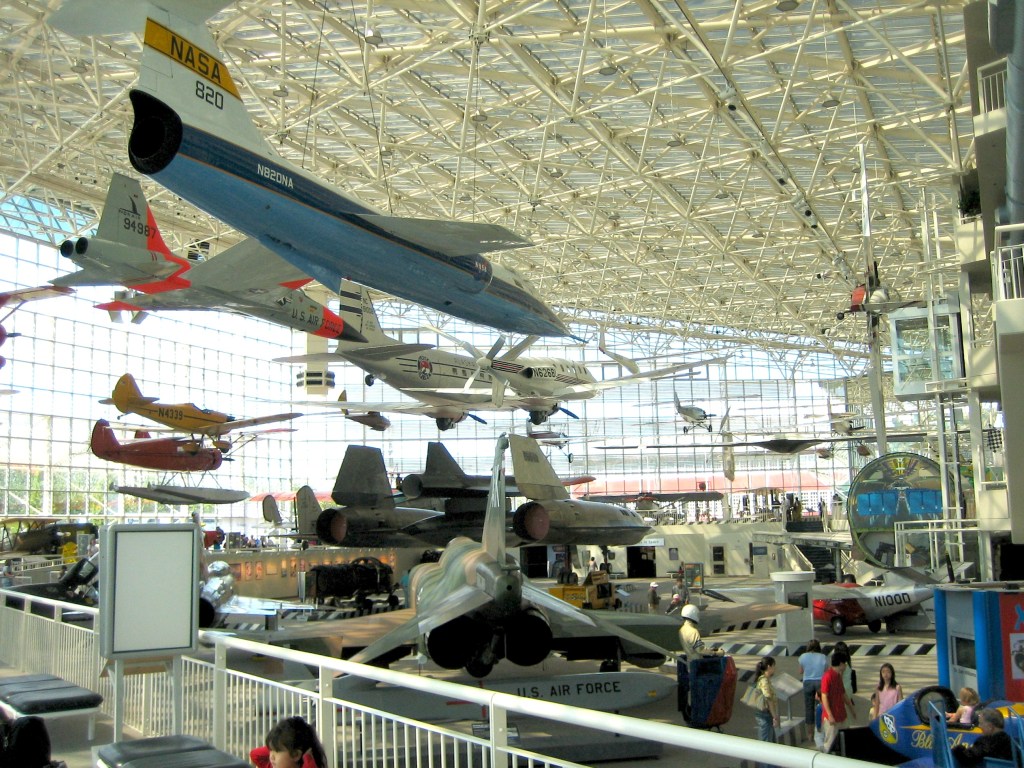
Museum of Flight – Located at the southern end of King County International Airport, more commonly known as Boeing Field, the Museum of Flight is the largest private air and space museum in the world. The museum includes a number of iconic aircraft, including Concorde and the first flight-worthy Boeing 747 along with a Boeing 787 Dreamliner and the Boeing VC-137B that was the first US presidential jet. The museum is a must visit for any AvGeek.
Boeing Future of Flight & Factory Tour – Another must for any AvGeek in the Seattle area is a tour of the Boeing Factory at Paine Field and the accompanying Boeing Future of Flight museum. Future of Flight covers the more scientific aspects of aviation and includes full size engine models, fuselage cross sections and other aircraft components. Unfortunately, the factory tours are currently suspended, but this is definitely something I want to do in future.
Seattle Underground Tour – When a large portion of Seattle was destroyed by the Great Fire in 1889, the city was rebuilt on top of its ruins leaving behind a mysterious and intriguing subterranean city. There is a daily tour through part of this underground city and it certainly looks like one of Seattle’s more unique experiences.
Baku, Azerbaijan
Situated on the edge of the Caspian Sea and yet some 28 meters below sea level, Baku is the capital of Azerbaijan and the largest city in the Caucasus region. Growing in prominence as the premier oil city of the Soviet Union, Baku is now Azerbaijan’s only metropolis and is home to around 25% of the country’s population.

Old City – As a city that has developed massively since the fall of the Soviet Union, it may come as a surprise that Baku has an historic old city nestled around the modern skyscrapers. Buildings such as the 13th century Bibi-Heybat Mosque and 11th-12th century Maiden Tower are some of the city’s most famous landmarks and in 2009 the Inner City was removed from the World Heritage in Danger list following efforts to protect the historic buildings, having been added to the list six years earlier.
Taza Pir Mosque – Completed in 1914, the Taza Pir Mosque spent most of the first 30 years after construction being used as a cinema and a barn, only being restored as a mosque in 1943. It was the first religious building in Baku that used white stone in its construction, and this white façade makes it one of the most recognisable buildings in the city.
Land of Fire – The adopted motto of Azerbaijan, ‘The Land of Fire’ has been used a to promote the country since the fall of the Soviet Union. Yanar Dagh is a natural gas fire which burns continuously on a hillside near Baku with the flames reaching 10 meters high and the nearby streams, known as the ‘Burning Springs’ can be set alight owing to the presence of gas. Yanar Dagh is now part of the Yanardagh State Historical, Cultural and Natural Reserve which covers more than 60 hectares and also contains ancient burial grounds.
Lisbon, Portugal
Capital of Portugal and the third largest city on the Iberian Peninsula after Madrid and Barcelona, Lisbon lies on the Atlantic coast and the estuary of the River Tagus. Lisbon is one of the oldest cities in the world and the second oldest city in Europe (after Athens), predating other European capitals by centuries.
Take a Ride on the Trams – Lisbon is famous for its tram network dating from 1873 and the historic trams that operate across it. Whilst there is a small fleet of modern trams and the majority of the historic fleet have been upgraded, there are atleast eight ‘ligeiros’ trams that date from the mid 20th century. These trams now mostly operate on the Belém Tram Tour, a tourist route around the network.
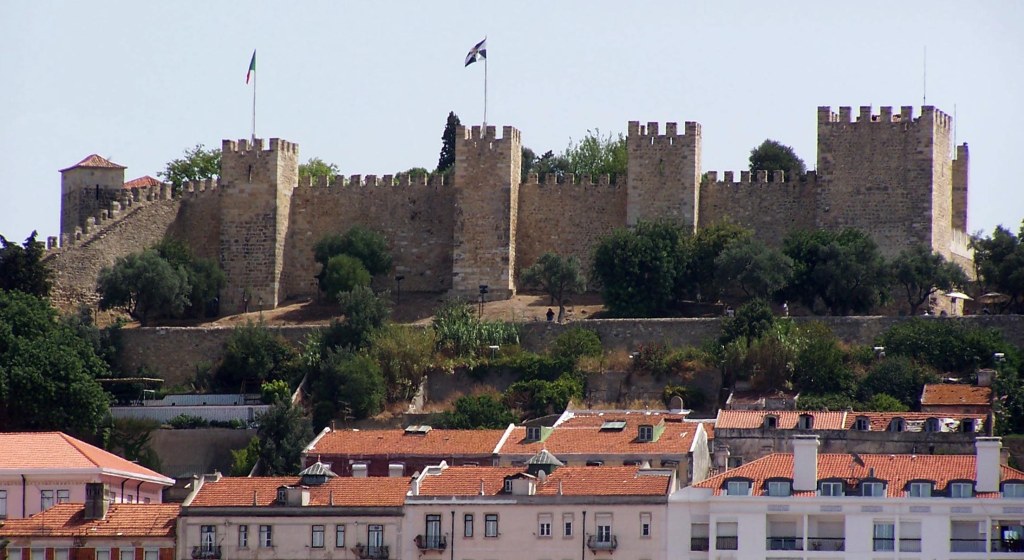
São Jorge Castle – Dating from the 12th century, St. George’s Castle and the hill it stands on has played a major part in Lisbon’s history, with the castle having served as a royal palace, military barracks, and home of the national archive. It is now a museum and a national monument, and includes a camera obscura and an archaeological centre. The castle is open from 0900 to 2100 (1900 in the winter) and entry costs just €15 for adults.
Torre de Belém – The Tower of Saint Vincent or Belém Tower is a UNESCO World Heritage Site (along with the nearby Hieronymites Monastery monastery) constructed in the early 19th century. Situated on the bank of the Tagus River, the complex consists of the 30 meters high tower along with a bastion and provides views across the estuary. The tower is also an excellent example of the Portuguese Manueline style of architecture.
San Marino, San Marino
San Marino is the exception to the rule in this post as it is the one destination of the five that I’ve actually visited. The reason I wanted to add it to this post was due to how much I loved the city and enjoyed my time exploring it. Nestled within the Apennine mountains, the nation of San Marino is surrounded by Italy and is the fifth-smallest country in the world. You can read my full blog for San Marino here, but below are three of the highlights.

The Three Towers of San Marino – The three towers of San Marino are an iconic symbol of San Marino and are featured on both the national flag and coat of arms. Two of the three towers (Guiata and Cesta) are open to the public, and provide absolutely stunning views over both the city and country of San Marino. Guiata, the first tower, is a UNESCO World Heritage and a combined entry ticket can be purchased which also allows access to some other sites/museums run by the San Marino tourist board.
Palazzo Pubblico – The ‘Public Palace’ of San Marino, Palazzo Pubblico acts as both the town hall of the city of San Marino as well as the government building of the nation of San Marino. Constructed in the late 19th century, the building consists are a grand entrance hall, council chamber and various other offices along with a clock and bell tower. Entry is included in the combined ticket that can be purchased at the Palazzo Pubblico or other sites.
Basilica di San Marino – Situated on the north-eastern edge of the city, the Basilica di San Marino is the main church of San Marino and also the co-cathedral for the Catholic Diocese of San Marino-Montefeltro. Constructed in 1836, the church contains many relics of San Marino and is also plays a major part in the ceremonies of government within the country, such as the establishment of the Captains Regent. I didn’t explore inside the Basilica owing to the limited time I had in the city, but even if you just admire from outside o n Piazzale Domus Plebis, it is well worth a visit.
 Flights & Times